High Speed Dissolver for Adhesive Production
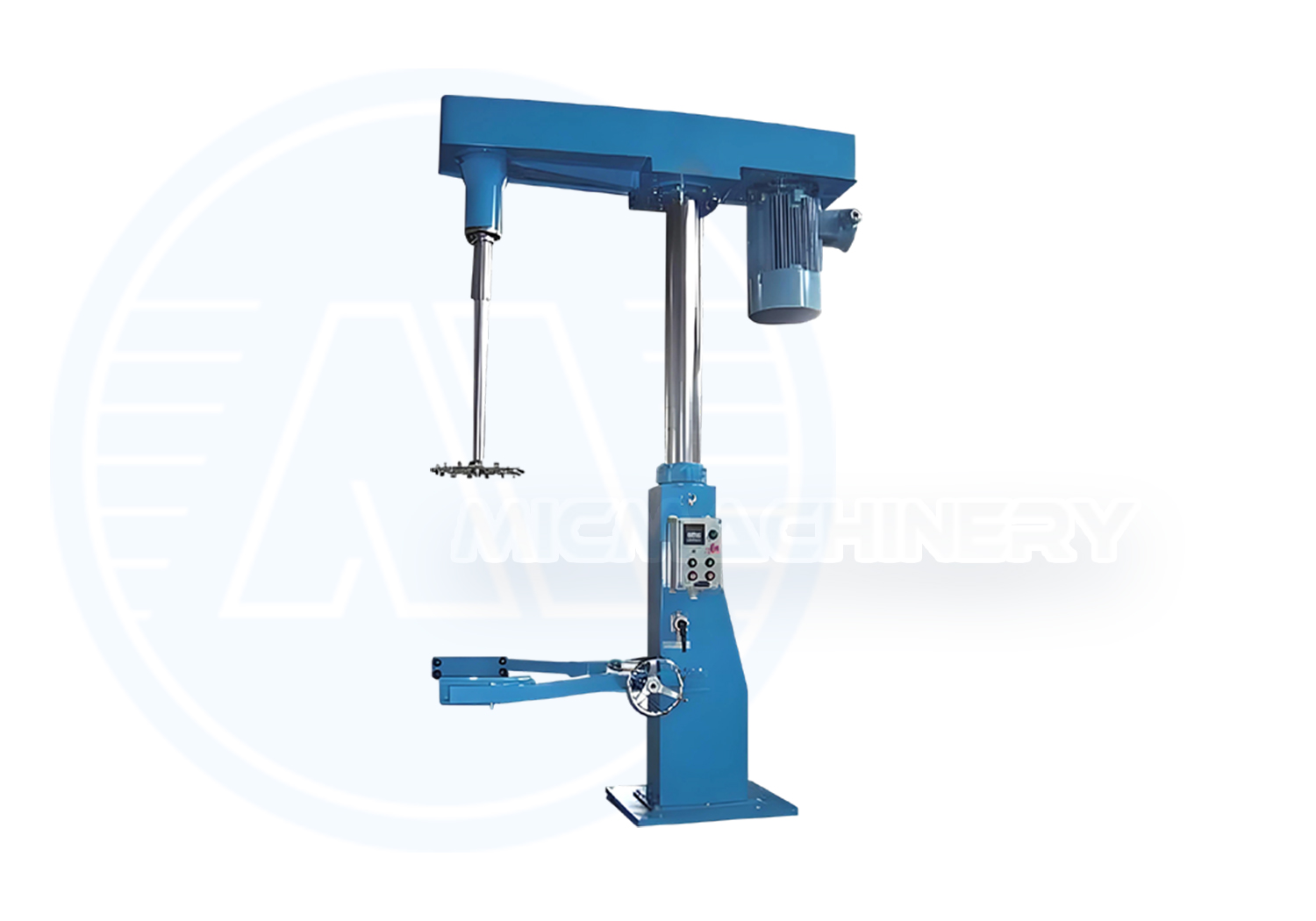
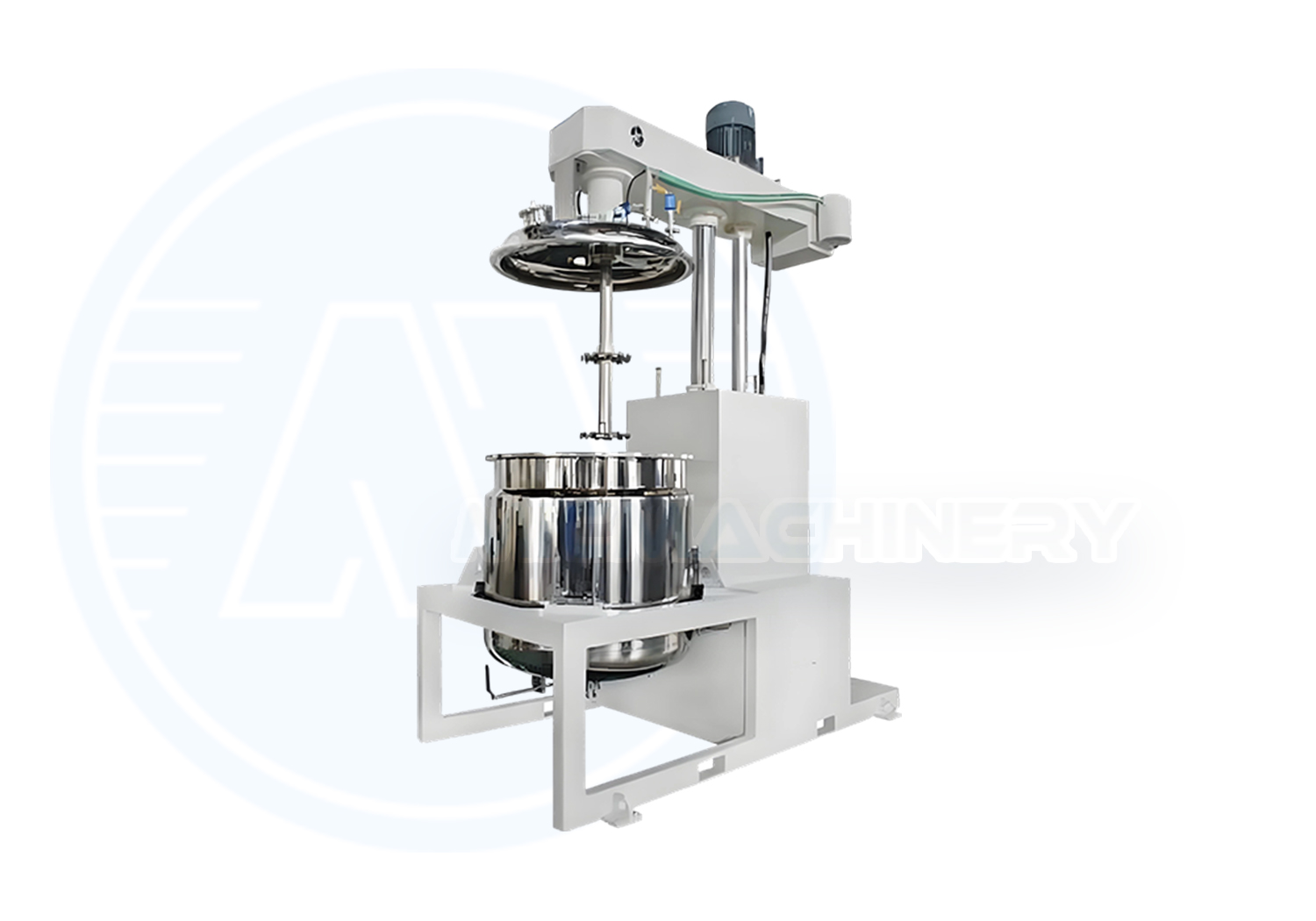
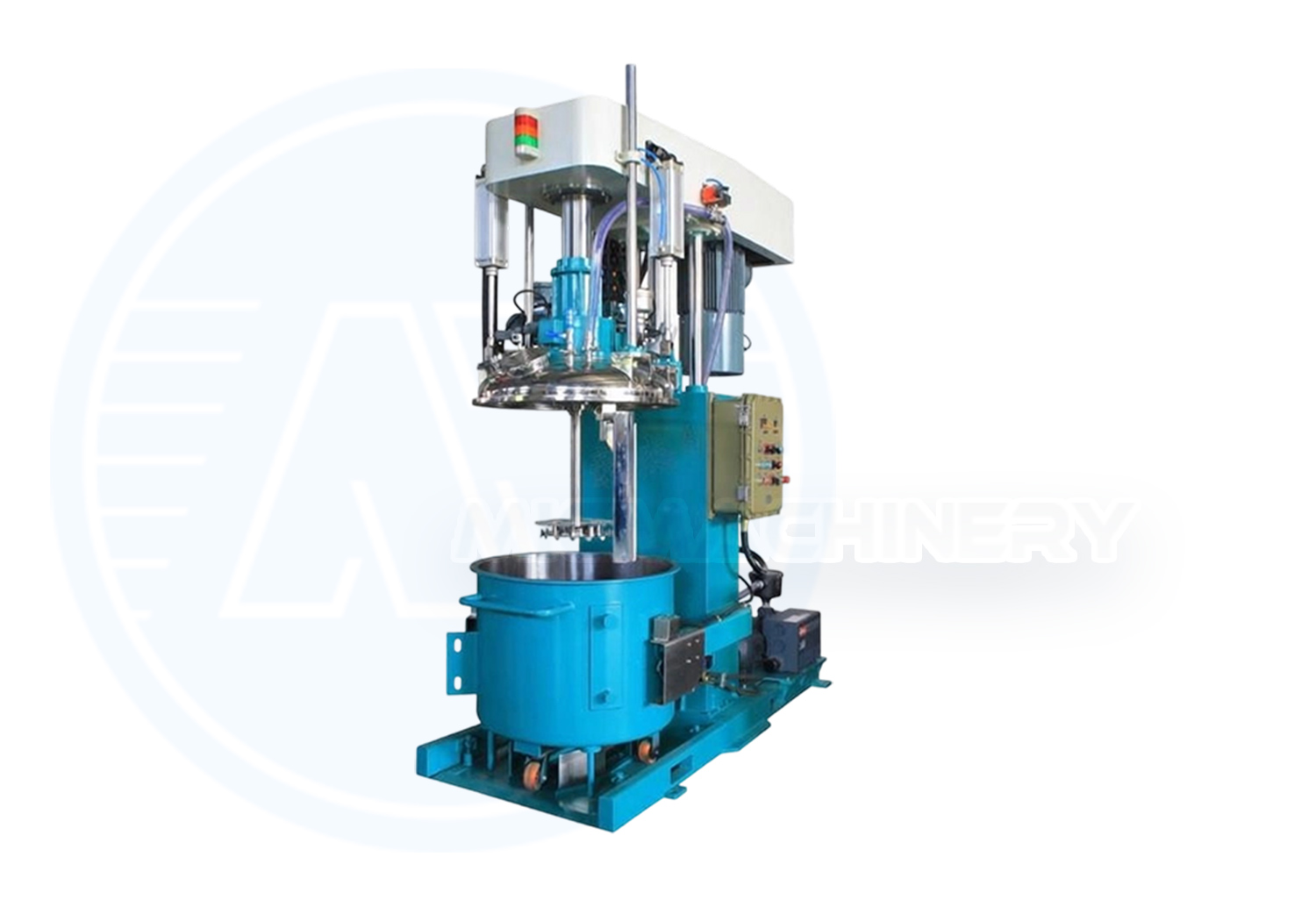
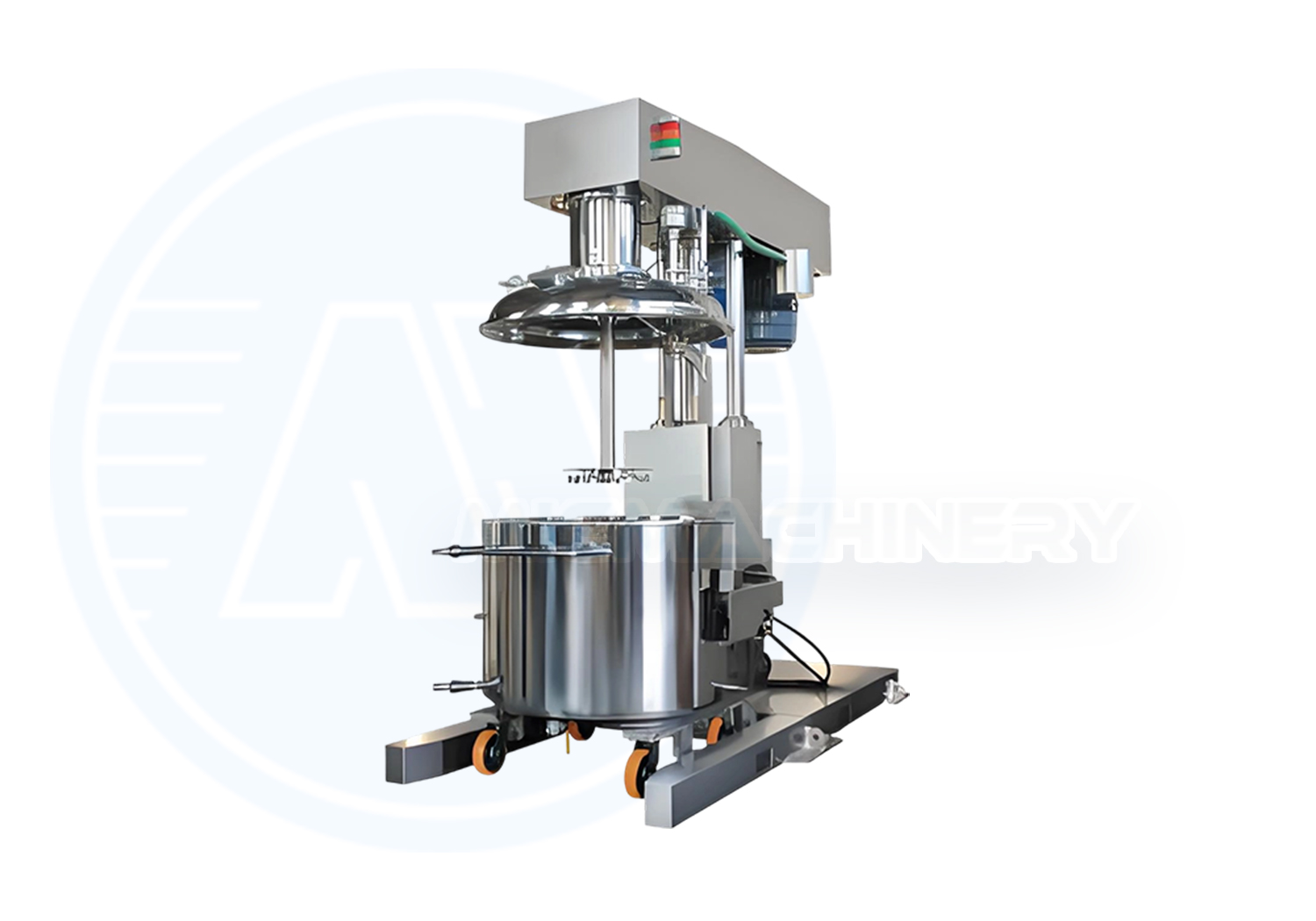
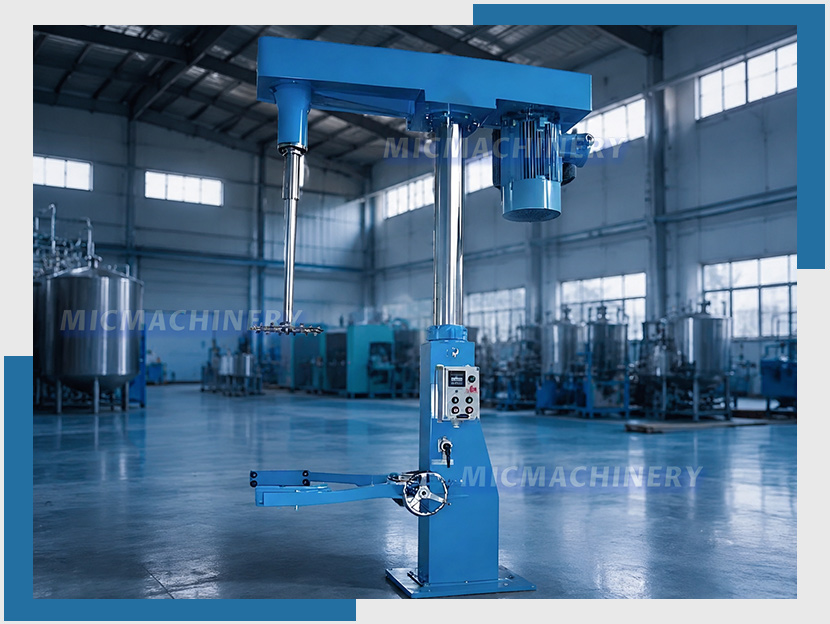
MIC Machinery designs and manufactures High Speed Dissolver systems for adhesive production, providing efficient mixing and dispersion solutions for manufacturers of sealants, coatings, resins, and industrial adhesives. A high speed dissolver uses a high-speed rotating dispersing disc to generate strong shear forces, helping break down powder agglomerates and achieve uniform distribution of pigments, fillers, and additives. Designed for different viscosity ranges and production requirements, these machines are widely used in adhesive factories that require stable quality, shorter processing cycles, and reliable operation.
With flexible configurations, robust mechanical structures, and process-focused engineering, MIC Machinery’s dissolving equipment can be integrated into complete adhesive production lines or operated as an independent mixing unit. The equipment is suitable for applications including silicone adhesives, epoxy adhesives, polyurethane products, construction sealants, and other chemical formulations requiring effective dispersion.
Manufacturing Process of High Speed Dissolver
| |
|
|
| |
The manufacturing process of a high speed dissolver involves precise engineering, mechanical fabrication, and strict quality control to ensure stable performance in demanding industrial environments. MIC Machinery begins with process analysis according to the customer’s material characteristics, including viscosity, density, solid content, and required dispersion level. These parameters determine the suitable motor power, shaft design, dispersing disc type, and vessel configuration.
-----
The main frame and support structure are manufactured using high-strength materials to maintain rigidity during high-speed operation. The mixing shaft is precisely machined and dynamically balanced to reduce vibration and improve long-term running stability. The dispersing disc is designed according to different material requirements, with tooth structures and diameters optimized to enhance shear intensity and material circulation.
-----
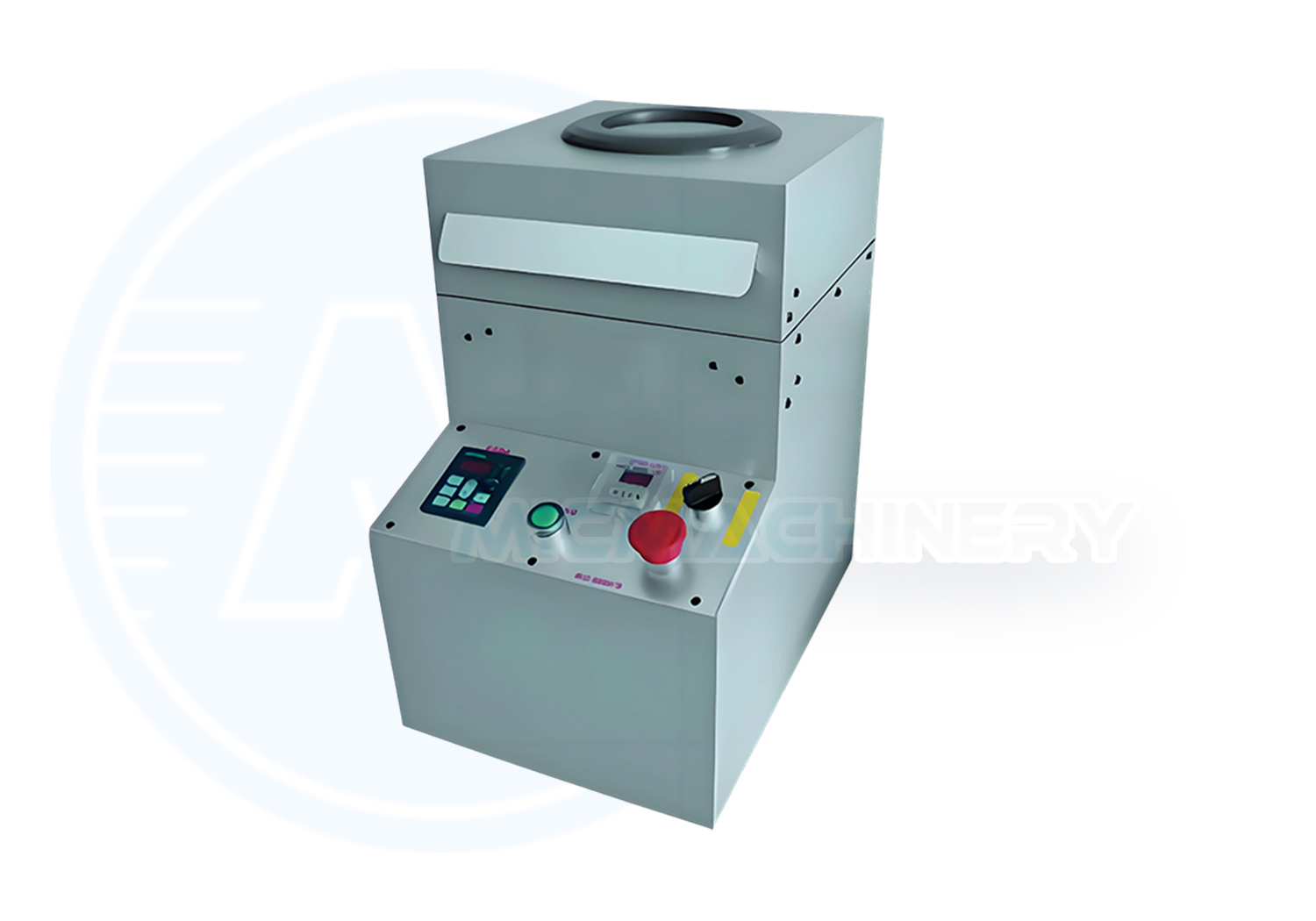
During assembly, key components such as the drive system, lifting mechanism, sealing structure, and control cabinet are carefully installed and adjusted. The lifting system allows convenient positioning of the dispersing shaft inside the mixing vessel, while the speed control system enables operators to adjust mixing conditions based on formulation requirements.
-----
Before delivery, each machine undergoes operational testing, including rotation accuracy, noise inspection, speed adjustment, and load performance verification. This manufacturing approach ensures that the dissolver can provide consistent dispersion results and reliable operation in continuous adhesive production environments.
|
|
| |
|
|
Technical Advantages of High Speed Dissolver
➢ Efficient Dispersion and Shear Performance
The core function of a high speed dissolver is to create intense hydraulic shear through the rapid rotation of the dispersing disc. This action improves the wetting and separation of powder materials, reducing particle agglomeration and enhancing formulation consistency. It is especially effective for adhesives containing fillers, pigments, thickeners, and other solid additives.
➢ Adjustable Mixing Speed
Different adhesive formulations require different processing conditions. MIC Machinery’s dissolving systems are equipped with variable speed control, allowing operators to adjust rotational speed according to material viscosity and dispersion requirements. Lower speeds can be used for initial wetting and blending, while higher speeds provide stronger dispersion during the refining stage.
➢ Stable Mechanical Structure
Industrial adhesive production requires equipment capable of continuous operation. The machine structure is designed to withstand high-speed rotation and heavy-duty mixing conditions. Reinforced frames, precision-machined shafts, and reliable transmission systems help reduce mechanical stress and improve service life.
➢ Suitable for Various Adhesive Materials
The equipment can process a wide range of formulations, including solvent-based adhesives, water-based adhesives, sealants, coatings, and resin systems. By selecting appropriate configurations, the dissolver can be adapted for low-viscosity liquids as well as medium and high-viscosity materials.
➢ Easy Integration into Production Lines
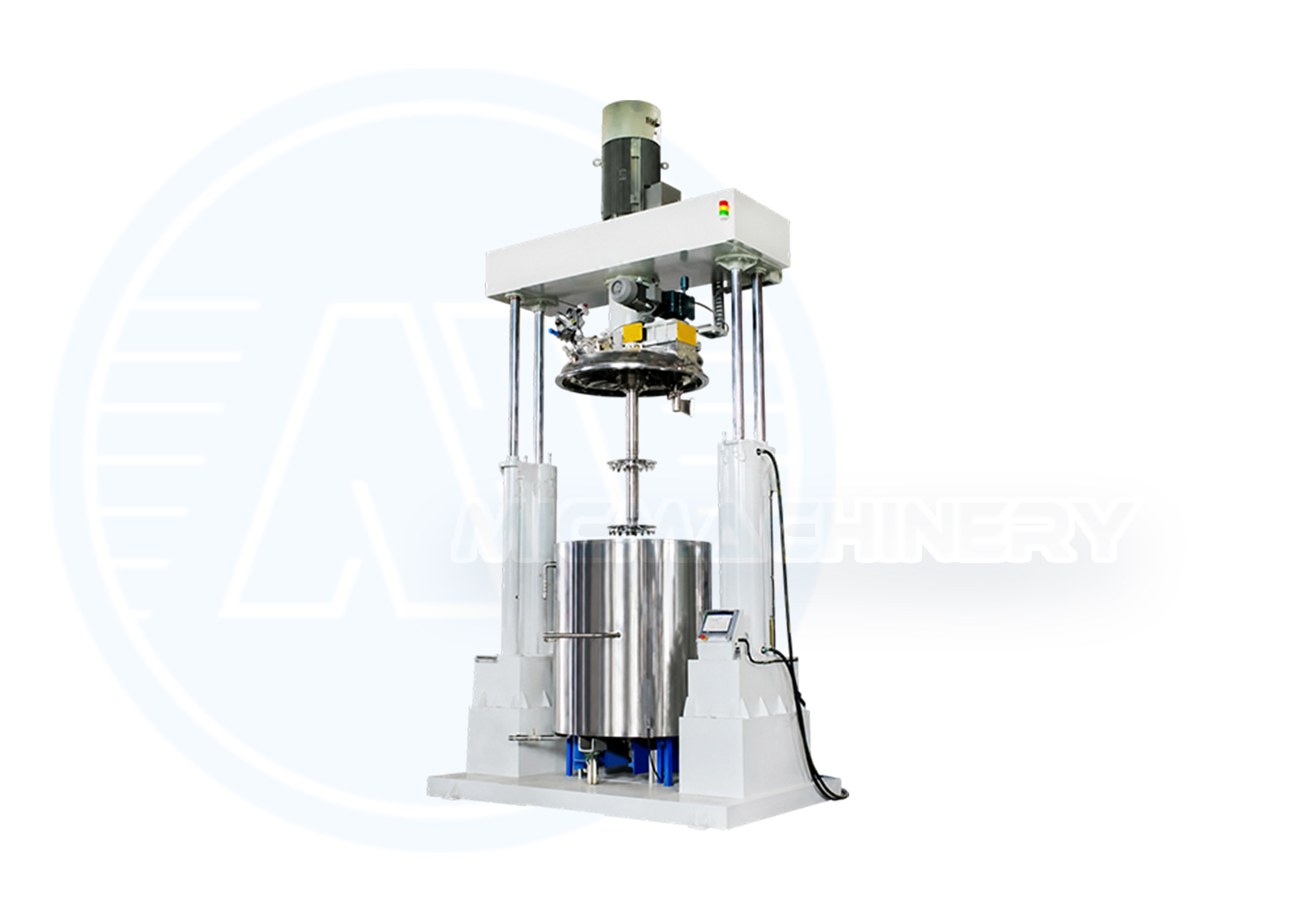
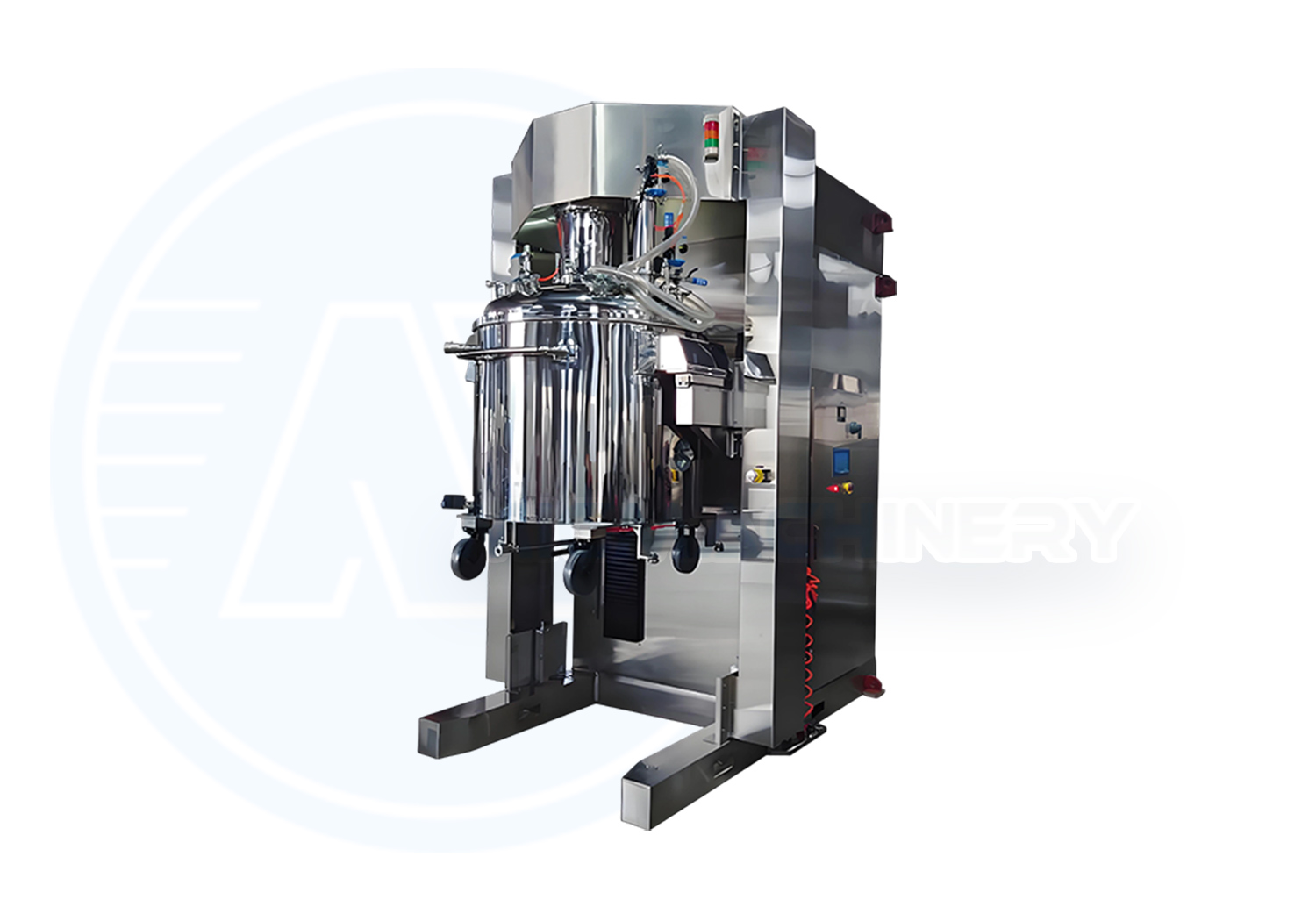
MIC Machinery can provide dissolving units that work together with other adhesive production equipment, such as planetary mixers, vacuum systems, storage tanks, and filling machines. This allows manufacturers to build complete production solutions according to their workflow and output requirements.
Customization Options for High Speed Dissolver
Every adhesive manufacturer has different production conditions, so MIC Machinery provides customized dissolving solutions based on material characteristics and factory requirements. The equipment configuration can be adjusted according to batch size, viscosity range, production capacity, and automation level.
Customization options include different motor powers, mixing vessel capacities, dispersing disc designs, lifting methods, and control systems. For applications involving sensitive materials or strict cleanliness requirements, stainless steel contact parts and specialized surface treatments can be provided.
The control system can be configured with digital speed adjustment, PLC control, temperature monitoring, and production data management functions. For factories requiring higher automation, the dissolver can be connected with feeding systems, vacuum equipment, and other processing units to improve production efficiency.
MIC Machinery also supports customized designs for specific adhesive formulations, helping customers select suitable mechanical structures and processing parameters to achieve stable mixing results.
FAQ
| What materials can be processed by a high speed dissolver? |
| A high speed dissolver is commonly used for adhesives, sealants, coatings, inks, resins, and chemical products. It is suitable for dispersing powders, pigments, fillers, and additives into liquid materials. |
| |
| What is the difference between a dissolver and a traditional mixer? |
| A traditional mixer mainly provides blending and circulation, while a dissolver generates stronger shear forces through a high-speed dispersing disc. This makes it more effective for breaking down agglomerates and improving dispersion quality. |
| |
| How do I choose the correct dissolver capacity? |
|
The suitable capacity depends on production volume, batch size, material viscosity, and processing requirements. MIC Machinery can recommend the appropriate machine configuration based on the customer’s formulation data.
|
| |
| Can the dissolver be used for high viscosity adhesives? |
| Yes. For higher viscosity materials, the machine can be equipped with stronger drive systems, optimized dispersing components, and suitable vessel designs to achieve effective processing performance. |
| |
|
Can the machine be integrated with an adhesive production line?
|
| Yes. The dissolver can be combined with other adhesive manufacturing equipment, including vacuum mixers, storage tanks, feeding systems, and filling machines, to create a complete production process. |