Mixing Vessel for Adhesive Production
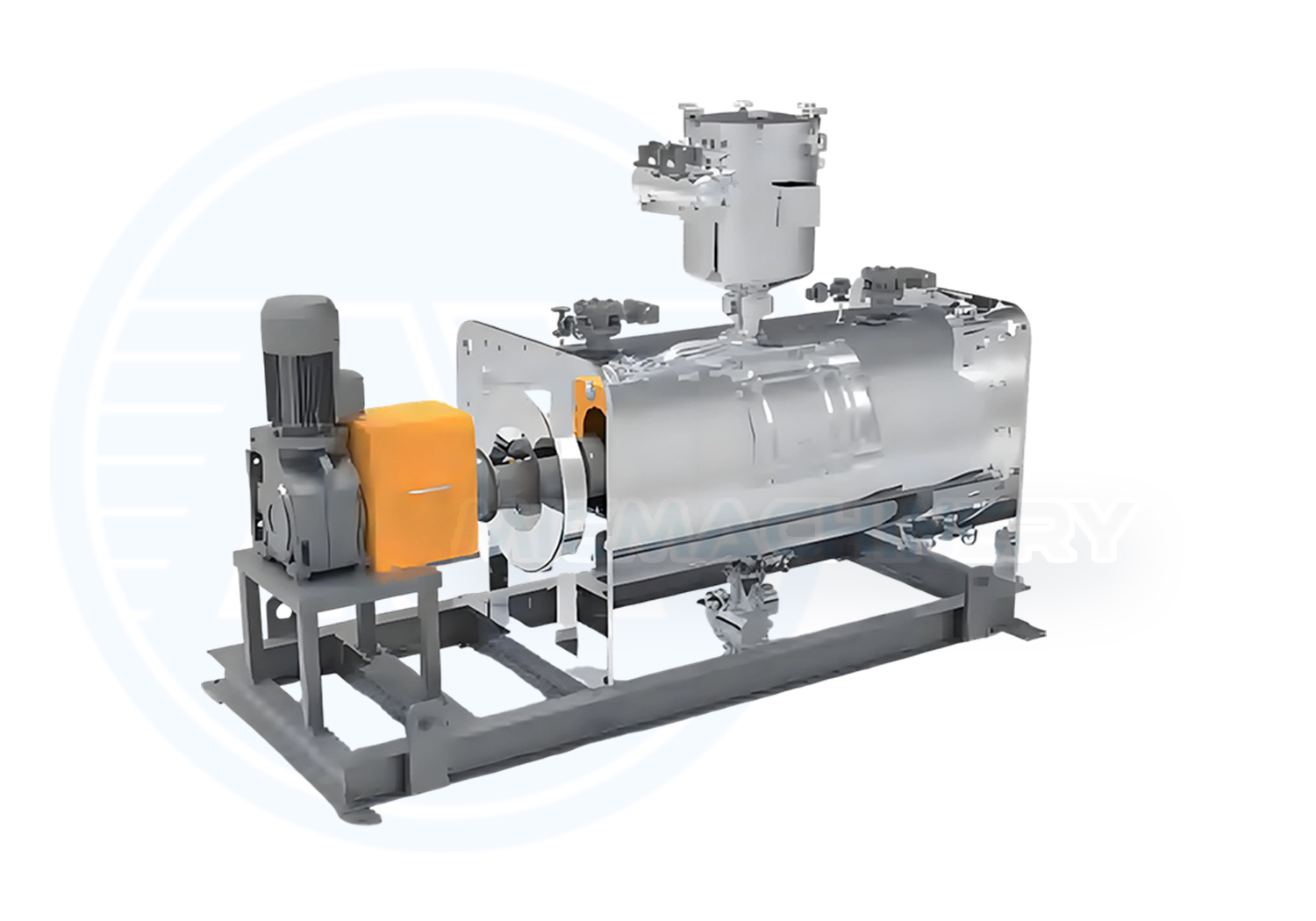
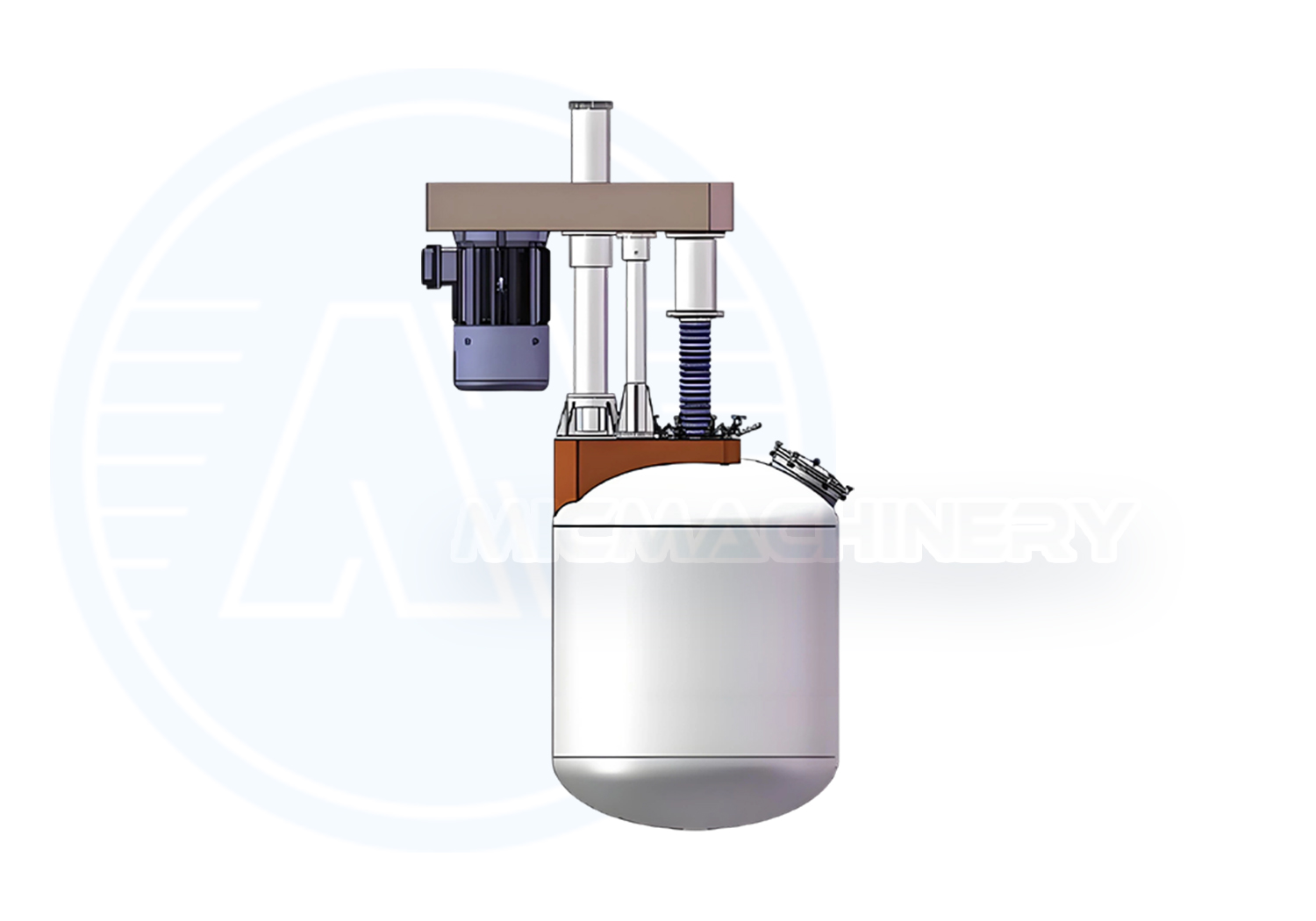
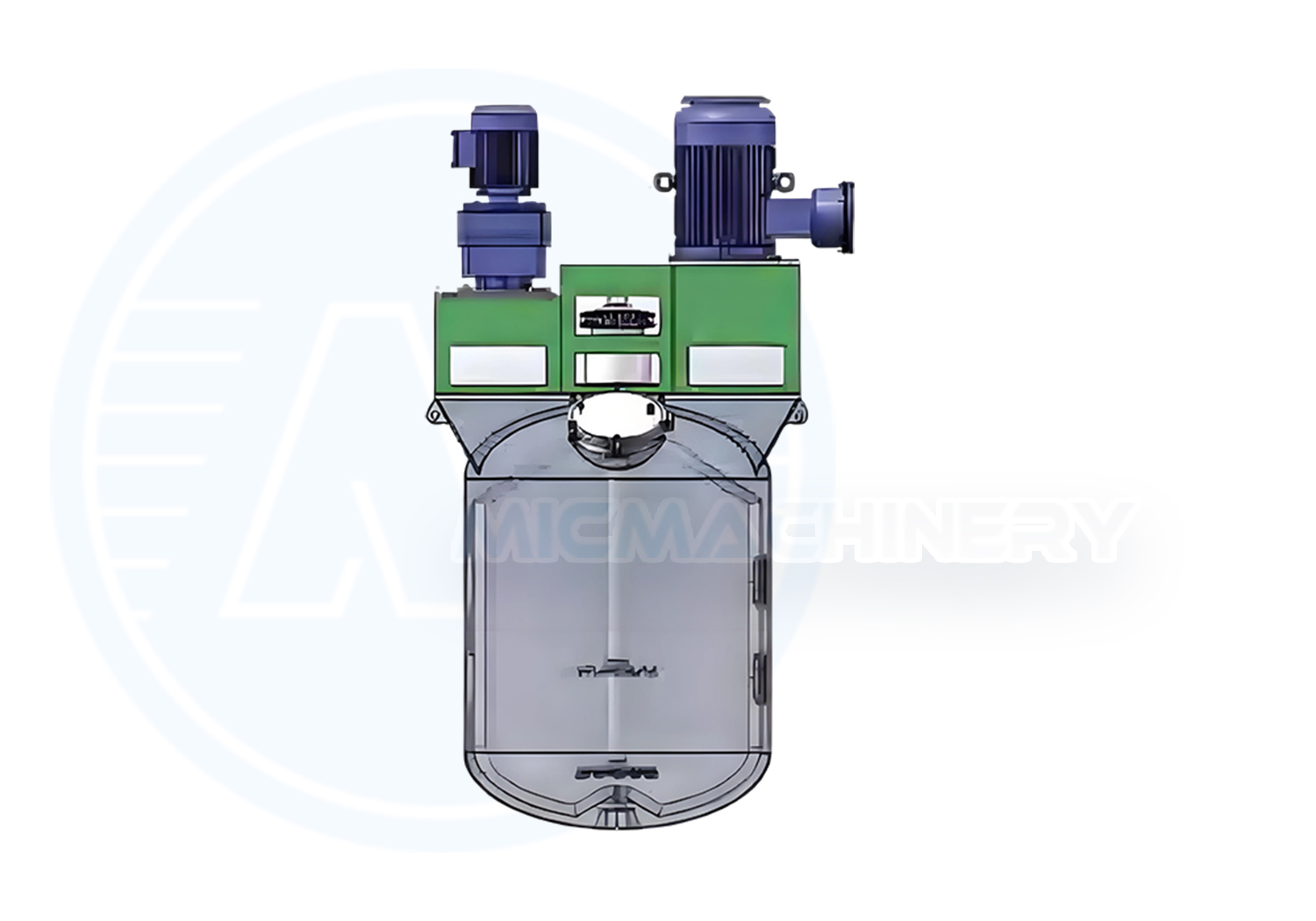
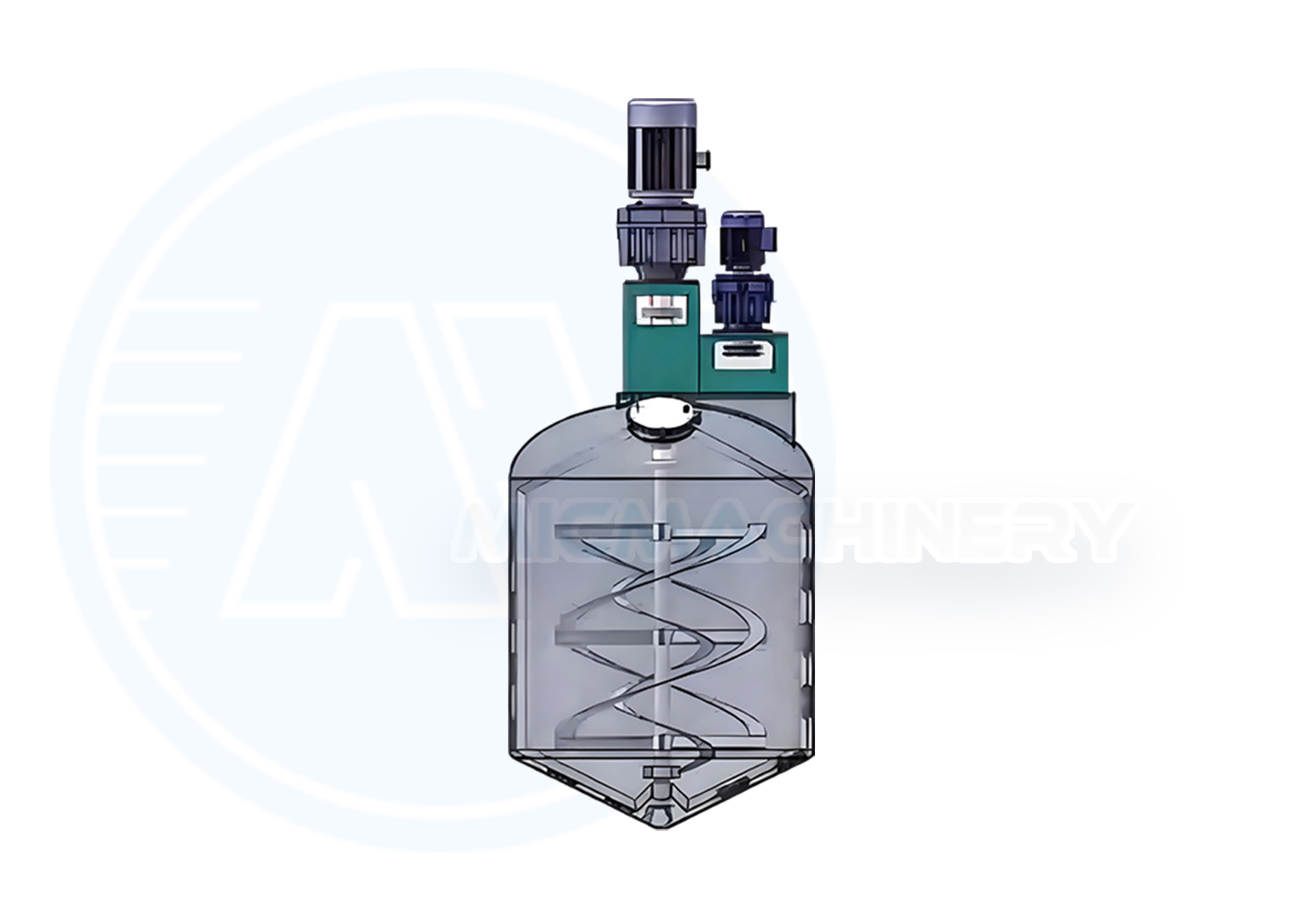
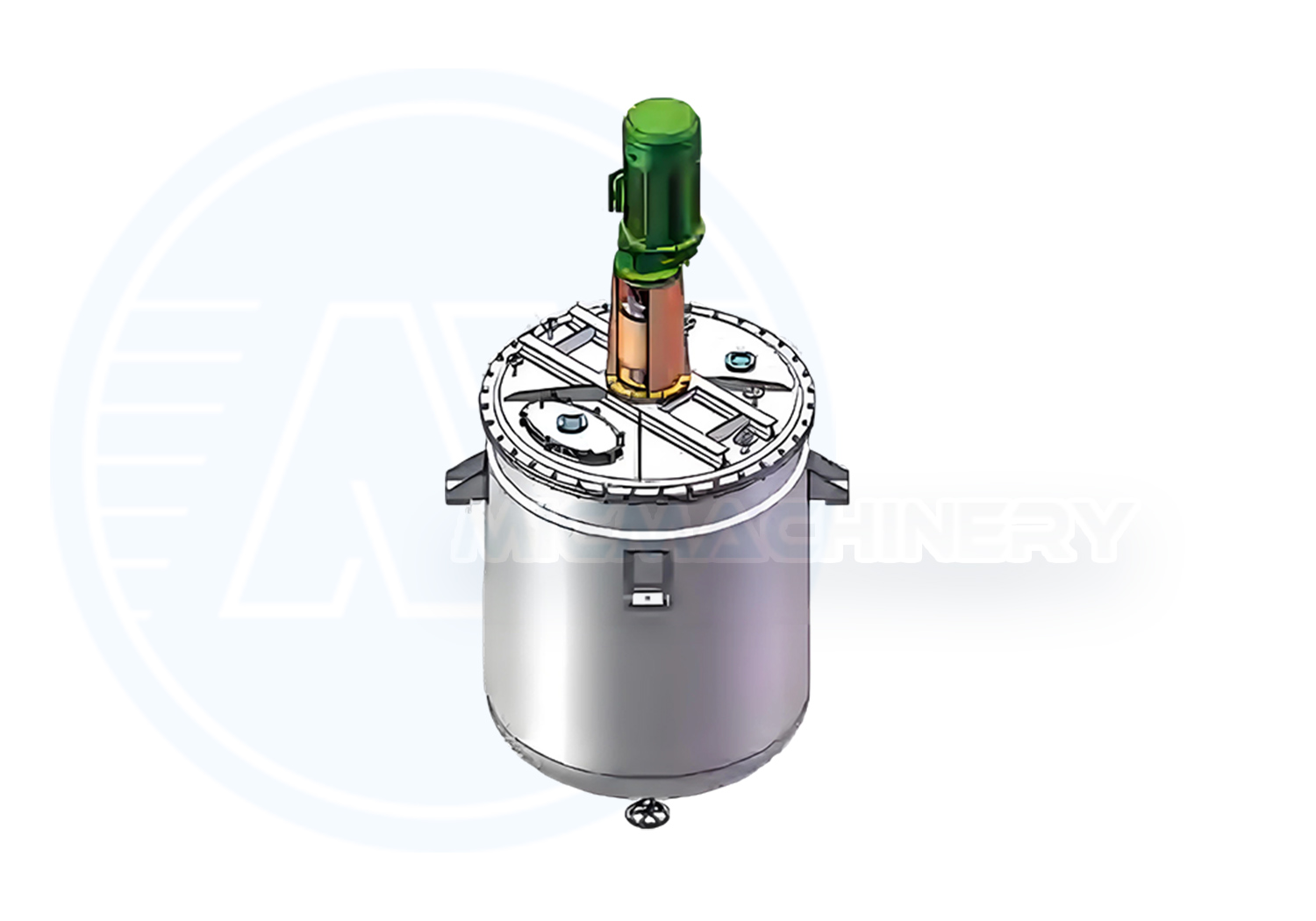
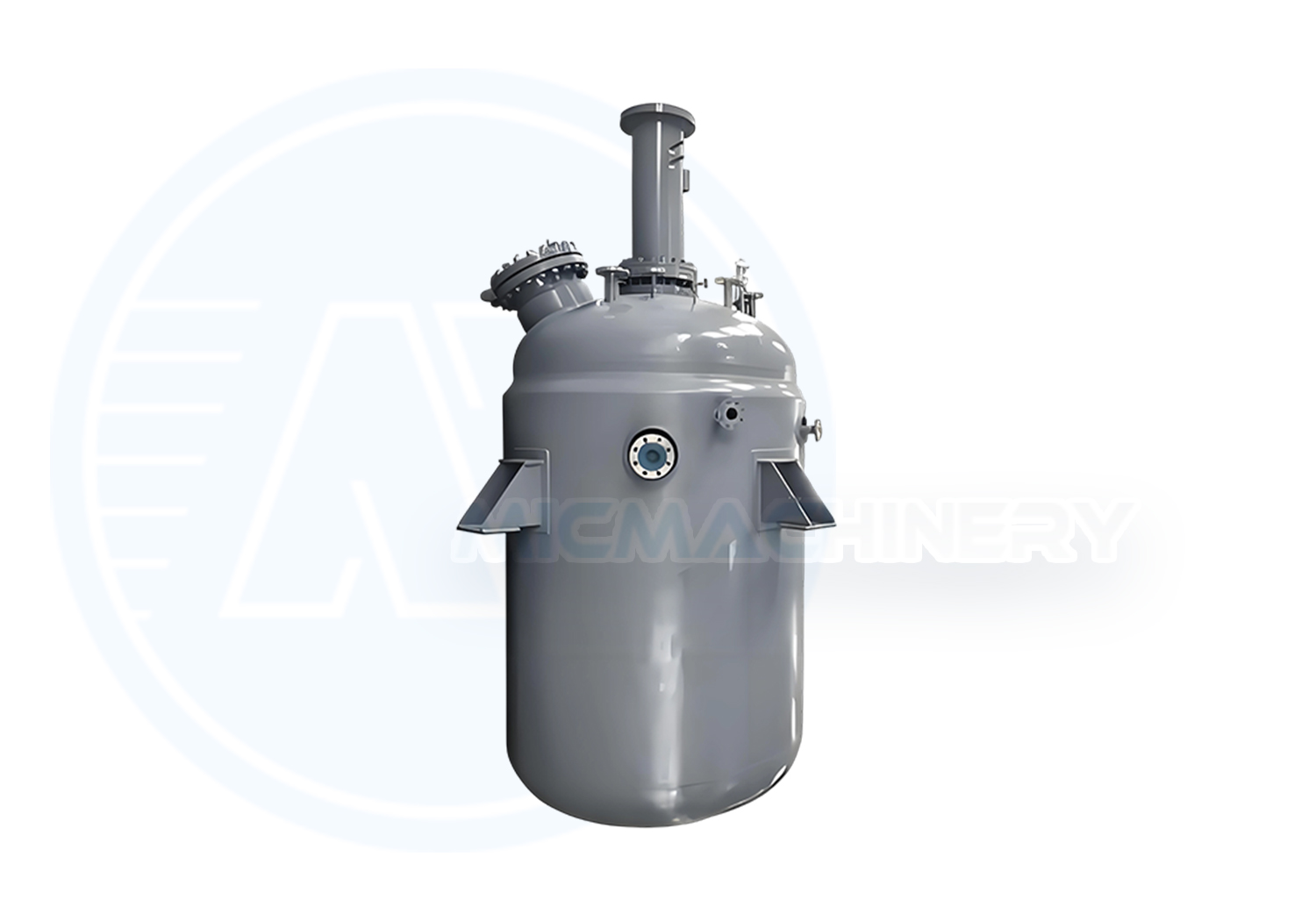
A Mixing Vessel is a key process unit used for blending, dispersing, heating, cooling, and maintaining uniform adhesive formulations during production. MIC Machinery designs industrial mixing vessels for processing various adhesive materials, including epoxy, silicone sealant, polyurethane, and high-viscosity glue systems. The equipment is engineered according to material characteristics, batch capacity, and required mixing performance to support stable adhesive manufacturing processes.
Manufacturing Process
The production of a Mixing Vessel includes engineering design, fabrication, system integration, and final testing to ensure stable mixing performance and long-term reliability.
| |
|
|
| |
1)Engineering Design
Engineers analyze adhesive properties, viscosity, batch size, and process requirements to select the proper vessel structure, agitator type, and operating parameters.
------
2)Fabrication and Assembly
The vessel is manufactured with corrosion-resistant stainless steel. Precision welding, polishing, and component assembly ensure durability, sealing performance, and easy maintenance.
------
3)Mixing System Integration
Customized agitators, heating/cooling jackets, vacuum systems, and PLC controls are installed according to production needs for efficient and consistent adhesive processing.
------
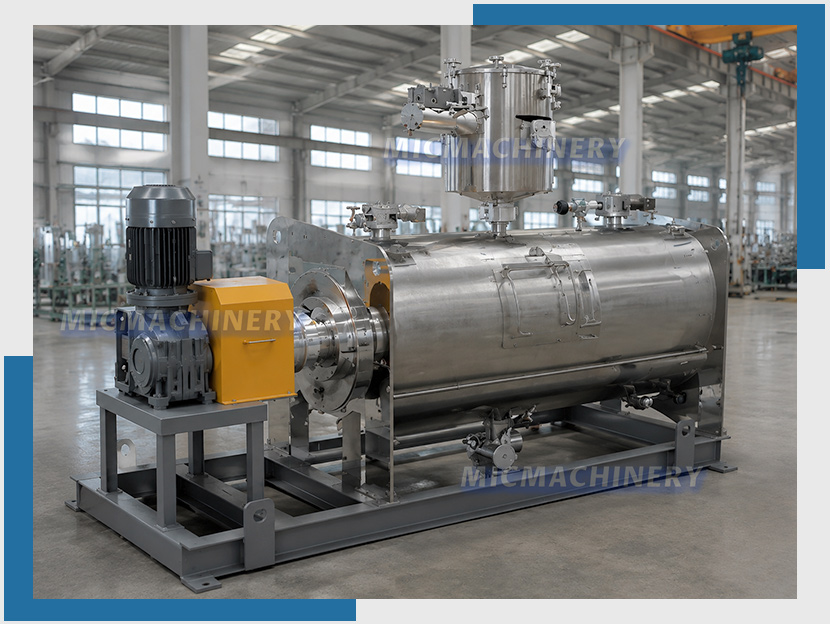
4)Quality Testing
Each Mixing Vessel is tested through inspection, pressure checks, mechanical operation tests, and control system verification before shipment.
|
|
| |
|
|
Technical Advantages
➢ Designed for High-Viscosity Adhesive Materials
Adhesive production often involves materials with complex rheological properties, especially products containing high solid content or fillers. MIC Machinery Mixing Vessels are designed with appropriate torque capacity and optimized agitator structures to handle demanding mixing conditions while maintaining stable operation.
➢ Uniform Mixing Performance
The vessel geometry, agitator design, and mixing speed are matched to the characteristics of each formulation. Proper circulation patterns reduce dead zones and improve the dispersion of additives, pigments, curing agents, and fillers, helping manufacturers achieve consistent adhesive quality.
➢ Temperature Control Accuracy
Many adhesive materials require controlled heating or cooling during production. The integrated jacket system provides efficient heat transfer and helps maintain stable material temperature throughout the mixing process. This is especially important for temperature-sensitive formulations where viscosity changes significantly during processing.
➢ Vacuum Mixing Capability
For applications requiring bubble-free adhesive products, vacuum operation helps remove entrapped air generated during high-speed mixing or powder addition. This improves product appearance and can enhance filling stability during downstream packaging.
➢ Flexible Configuration Options
MIC Machinery provides different vessel capacities, agitator designs, discharge methods, and automation levels. The equipment can be configured for laboratory development, pilot production, or large-scale industrial manufacturing.
➢ Easy Maintenance and Cleaning
The vessel structure is designed with accessibility in mind. Key components such as agitators, seals, motors, and valves can be inspected and maintained efficiently, reducing production interruptions and improving equipment availability.
Customization Options
Every adhesive manufacturer has different production requirements. MIC Machinery provides customized Mixing Vessel solutions based on material properties, output targets, and factory conditions.
Customization options include vessel capacity, stainless steel material selection, surface treatment, agitator type, mixing speed, heating and cooling methods, vacuum system configuration, and automatic control functions. The vessel can also be integrated with feeding systems, storage tanks, filling machines, and complete adhesive production lines according to customer requirements.
For adhesive products with special characteristics, such as silicone sealants, epoxy adhesives, polyurethane adhesives, or structural adhesives, MIC Machinery evaluates the formulation and recommends a suitable mixing structure to achieve reliable production performance.
FAQ
| What materials can be processed in a Mixing Vessel? |
| A Mixing Vessel can process various adhesive materials, including epoxy adhesives, silicone sealants, polyurethane adhesives, acrylic adhesives, and other chemical formulations. The suitable agitator and configuration depend on viscosity, solid content, and production requirements. |
| |
| How do I choose the right Mixing Vessel capacity? |
|
The vessel capacity should be selected according to batch size, production schedule, material density, and future expansion plans. MIC Machinery can recommend a suitable volume based on daily output requirements and process conditions.
|
| |
| Can the Mixing Vessel handle high-viscosity adhesives? |
| Yes. High-viscosity adhesives require higher torque mixing systems and specially designed agitators. The vessel configuration can be customized for thick materials such as sealants, pastes, and filled adhesive compounds. |
| |
| Is vacuum mixing necessary for adhesive production? |
| Vacuum mixing is not required for every adhesive, but it is beneficial for products where air bubbles affect appearance, bonding performance, or filling accuracy. Vacuum systems are commonly used for high-quality adhesive and sealant production. |
| |
| Can MIC Machinery integrate the Mixing Vessel into a complete production line? |
| Yes. MIC Machinery can provide customized solutions integrating mixing vessels with feeding systems, dispersing equipment, storage tanks, filling machines, and other adhesive production equipment to create a complete manufacturing process. |