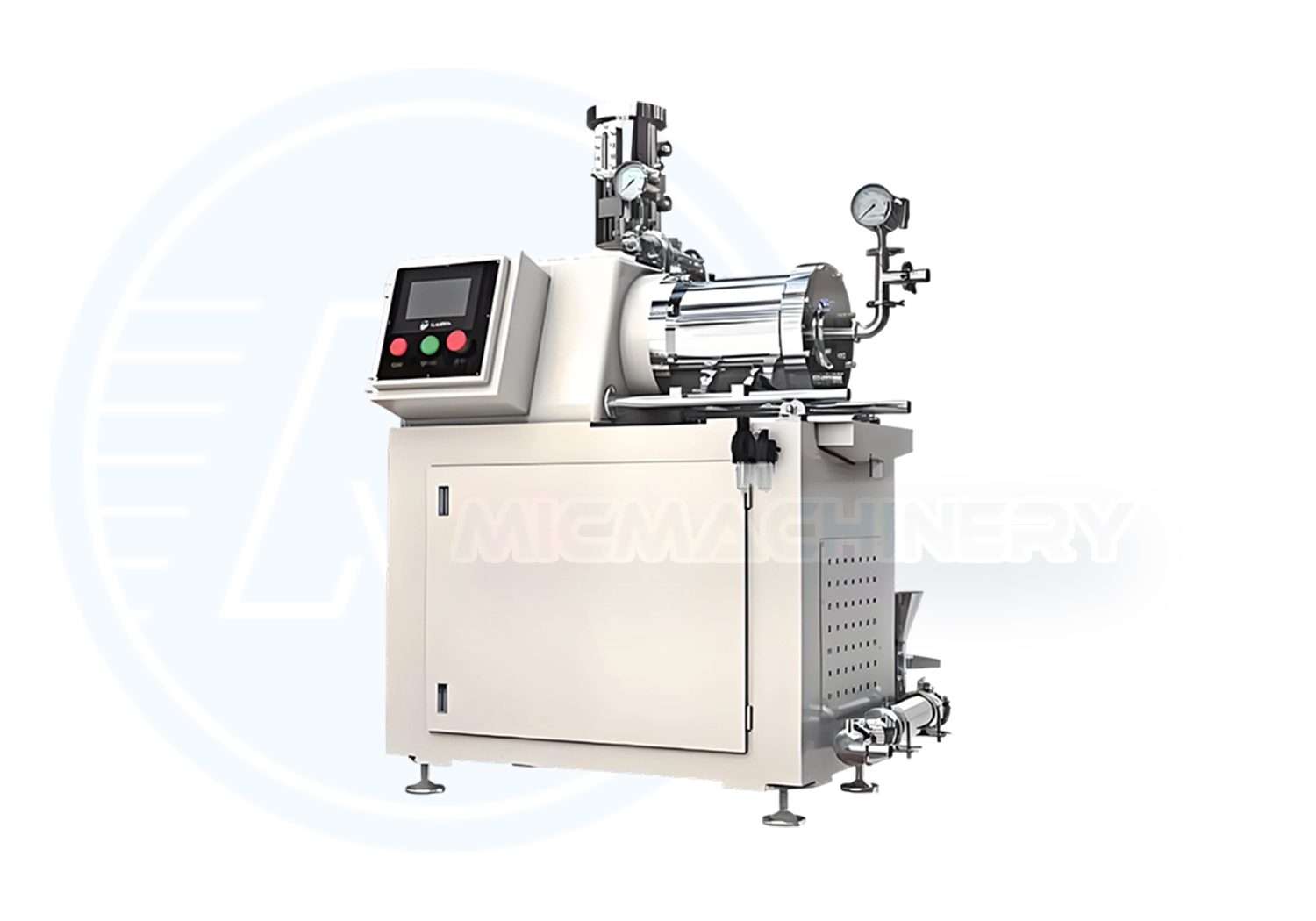
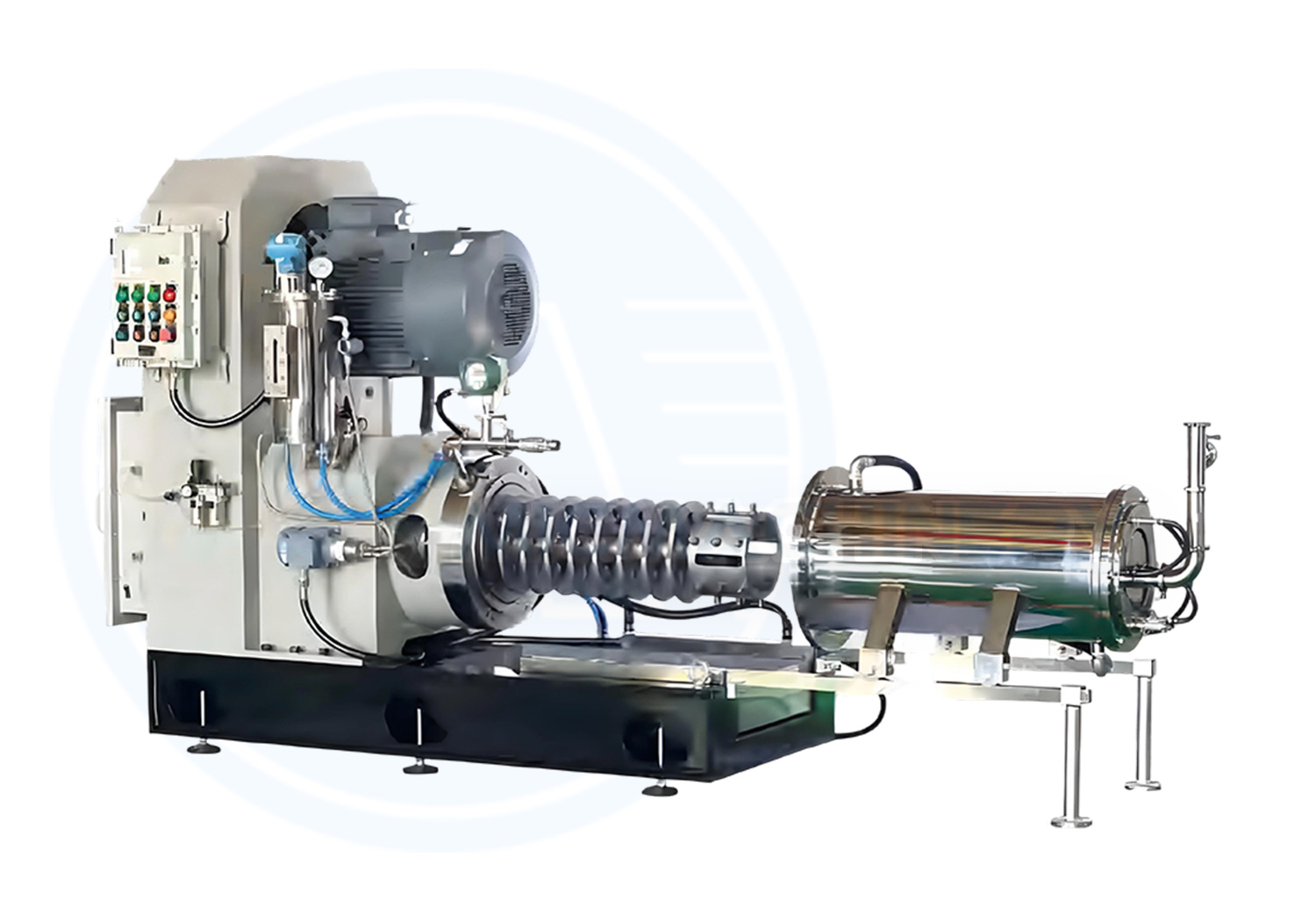
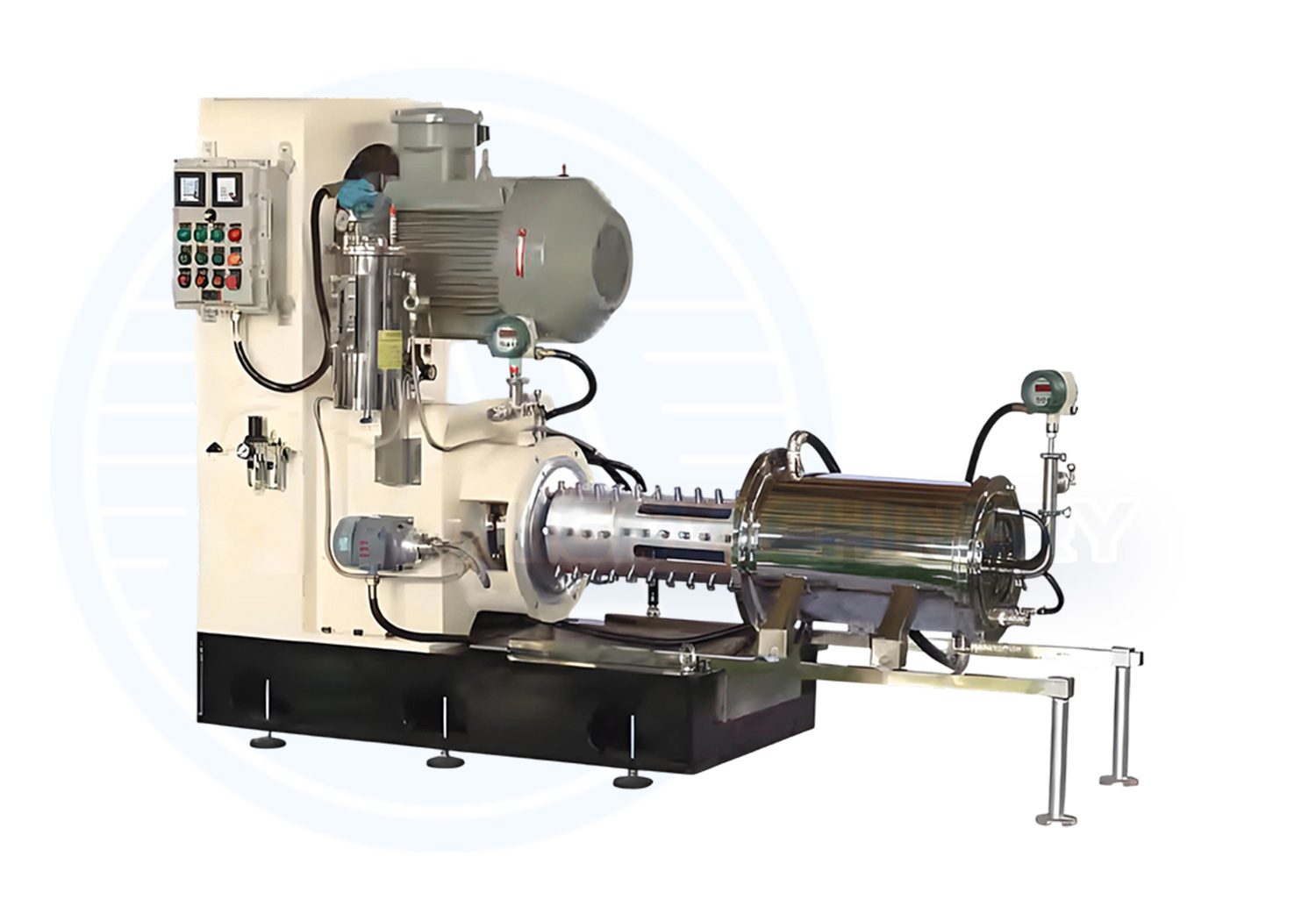
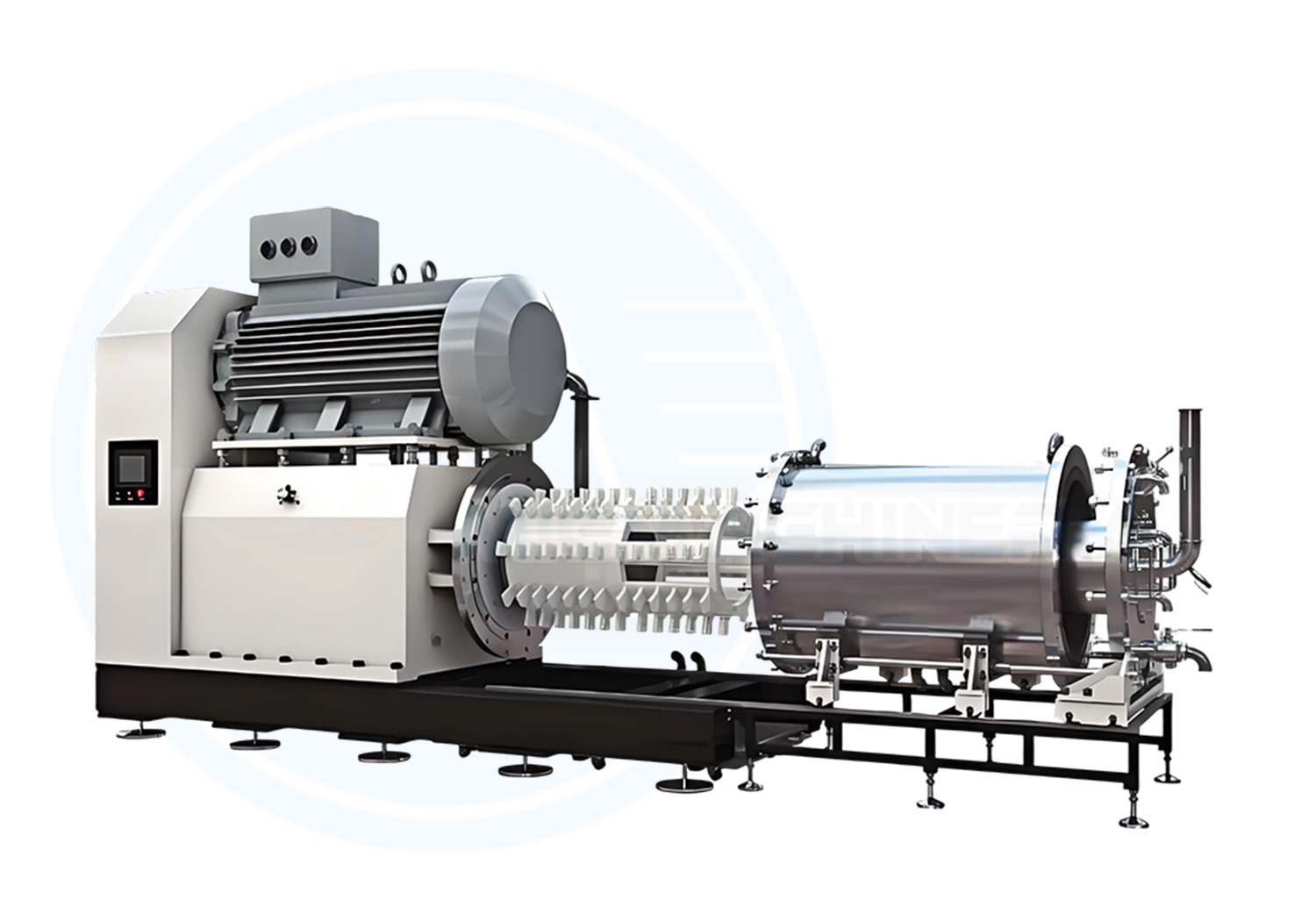
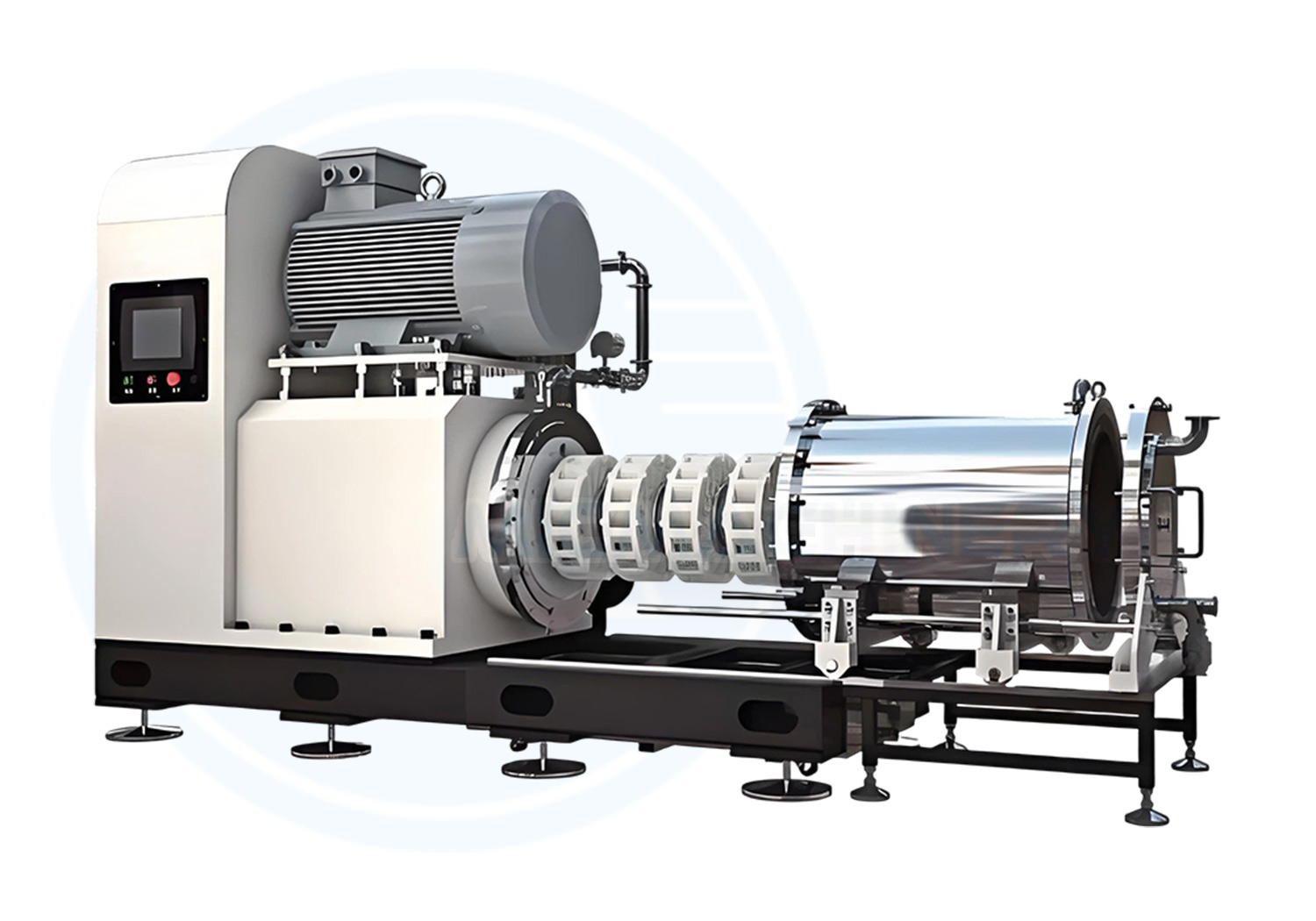
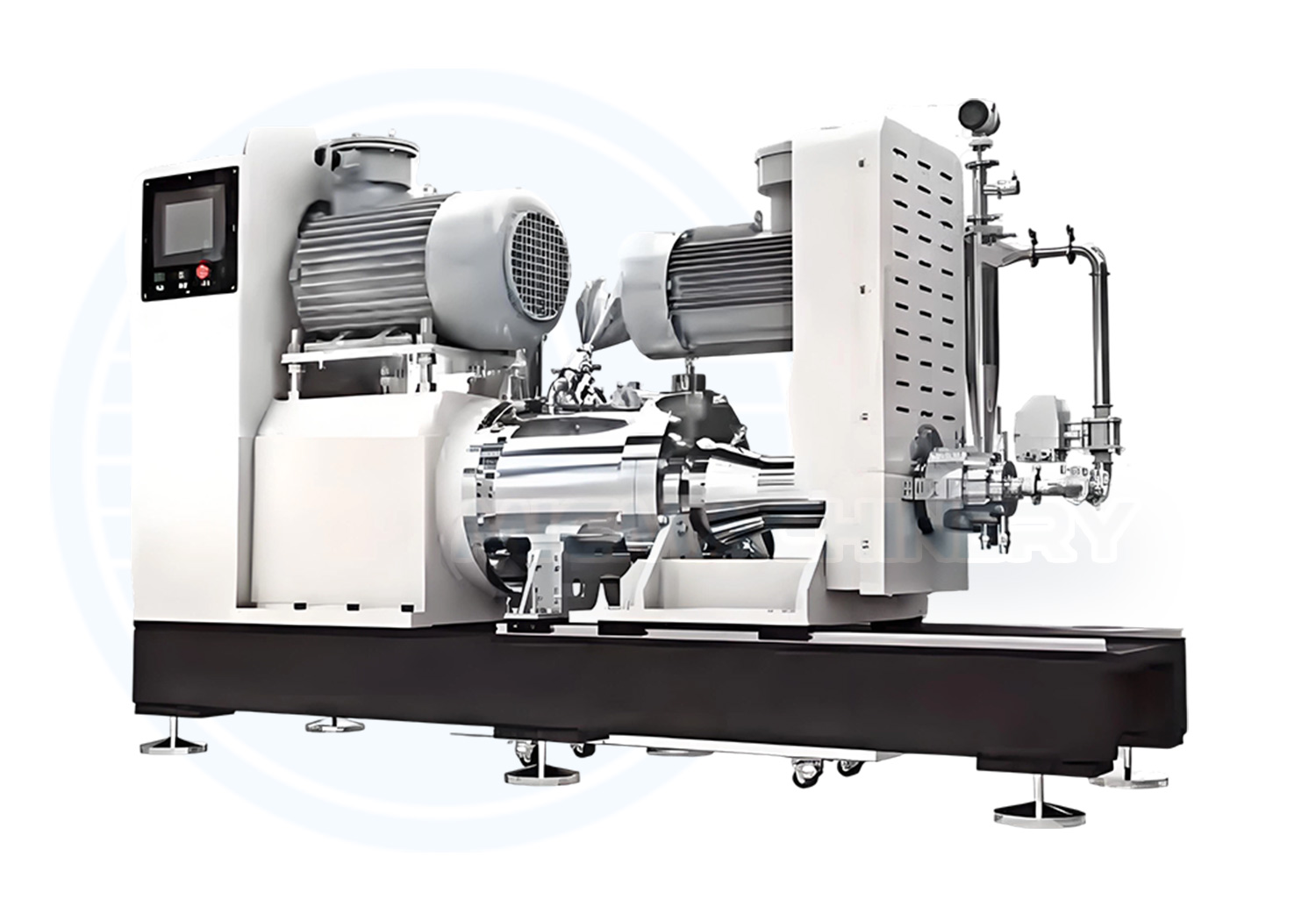
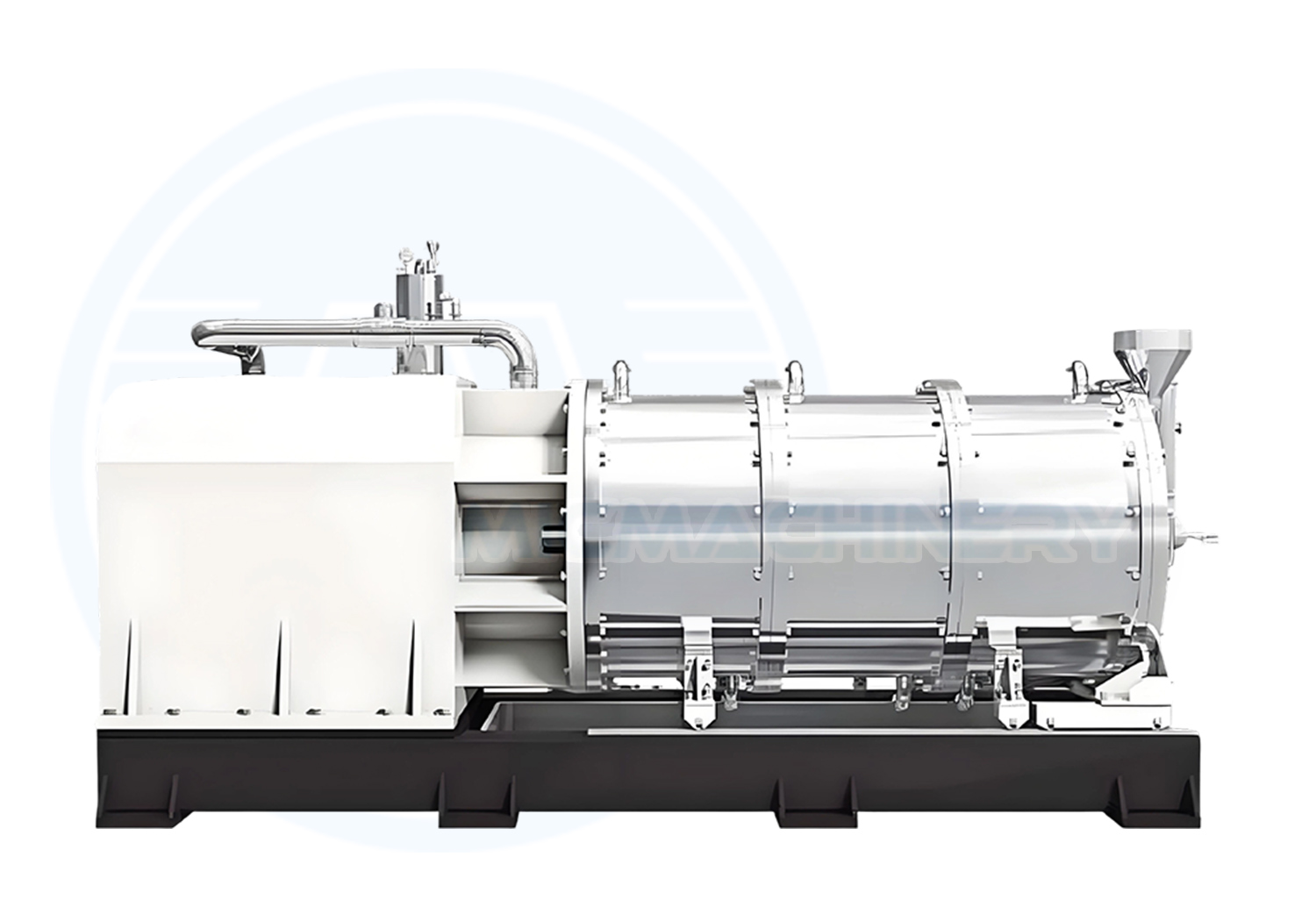
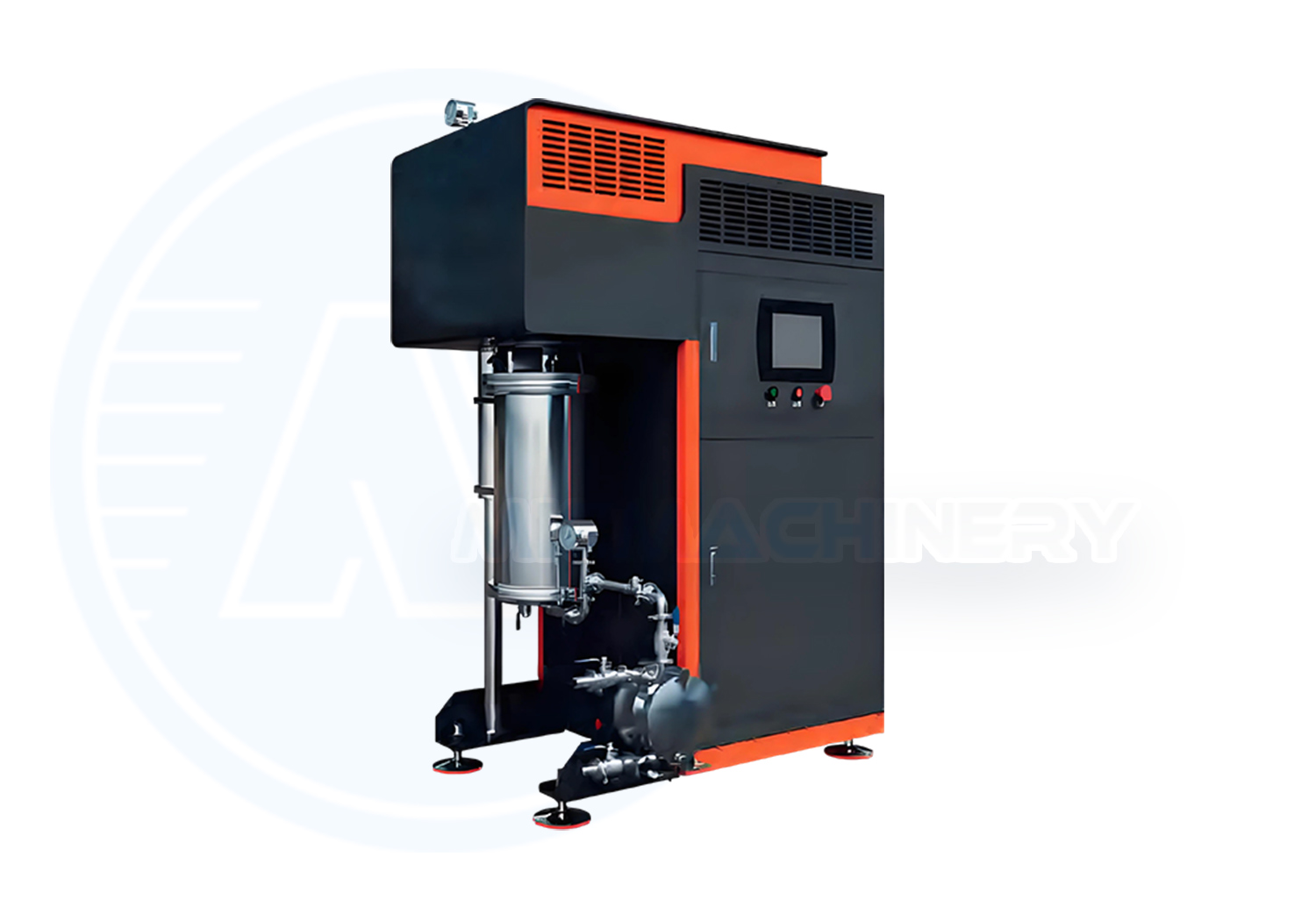
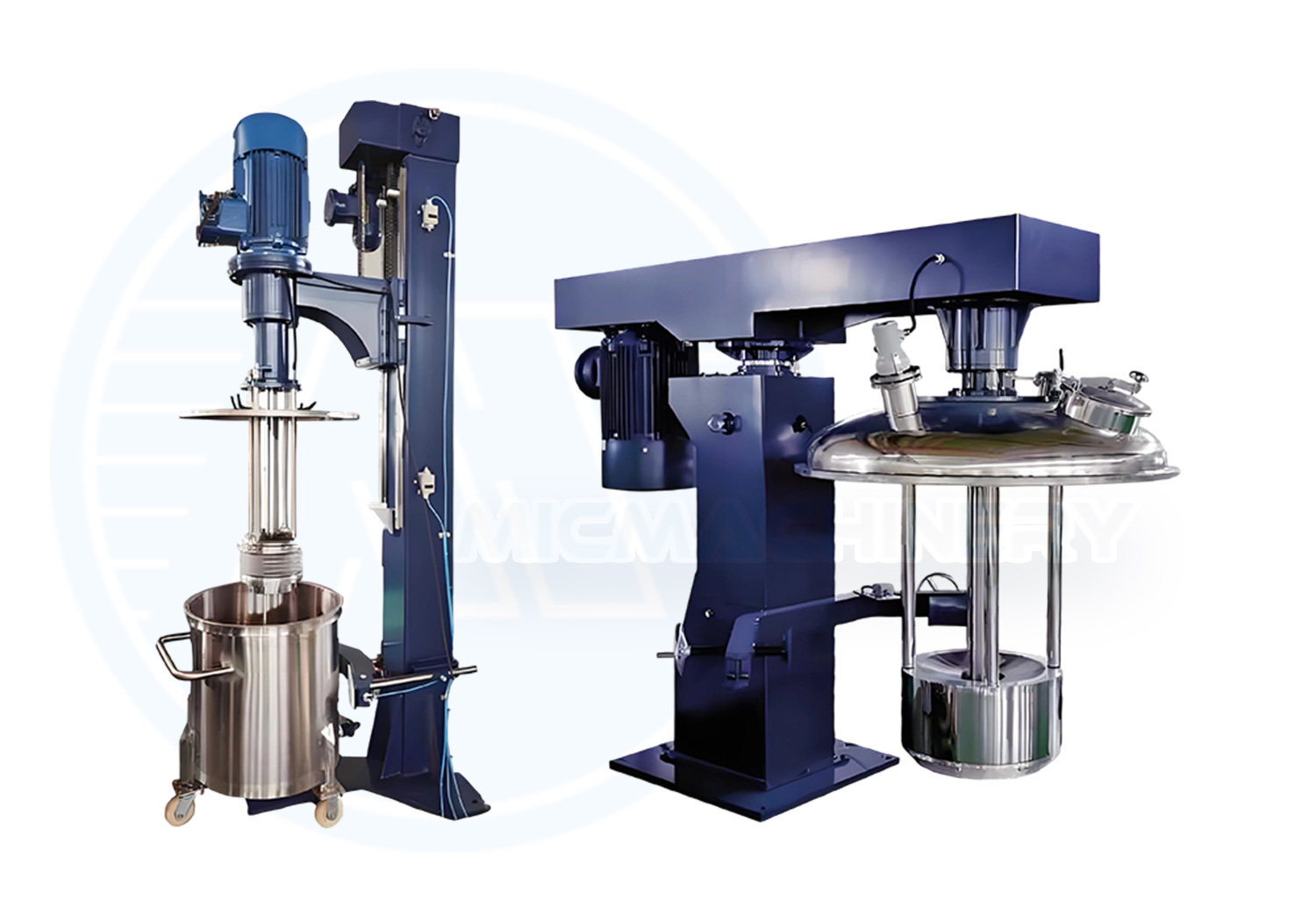
Wet Milling Machine for Adhesive Production
A Wet Milling Machine is an essential processing equipment used in adhesive, sealant, coating, ink, and chemical industries for particle size reduction and uniform dispersion. It uses liquid-phase grinding technology to process materials with fillers, pigments, and additives, improving product consistency and stability. MIC Machinery provides customized wet milling solutions for epoxy adhesives, polyurethane systems, silicone materials, and other industrial formulations requiring precise particle control.
Manufacturing Process of Wet Milling Machine
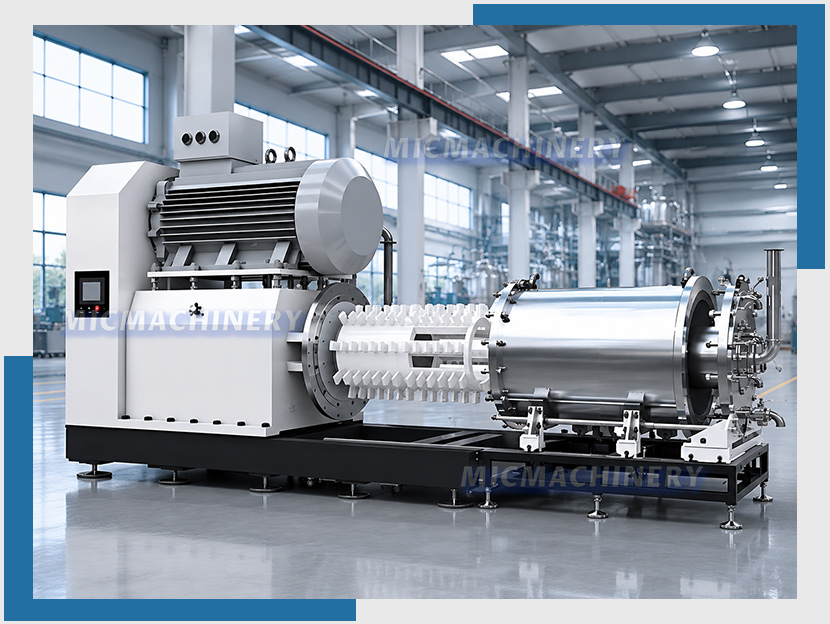
The working process of a wet milling machine mainly includes material feeding, wet grinding, dispersion, temperature control, and discharge.
| |
1)Material Feeding
Before milling, adhesive raw materials are usually pre-mixed with liquid components to form a suitable slurry. The material is then transferred into the milling chamber through a feeding system. The feeding rate is controlled according to viscosity, solid content, and required final particle size to ensure stable processing.
-----
2)Wet Grinding and Dispersion
The material is processed with grinding media in a liquid environment, where impact and shear forces reduce particle size and improve the uniform dispersion of fillers, pigments, and additives. This process helps achieve consistent adhesive quality and stable performance.
-----
3)Temperature Control
During continuous milling, mechanical energy can generate heat that may affect viscosity, curing behavior, or chemical stability. The milling chamber is usually equipped with a cooling jacket to remove heat through circulating cooling water and maintain stable processing conditions.
-----
4)Material Discharge
After reaching the required particle size and dispersion level, the processed adhesive is discharged through a separation system. The system allows the finished material to flow out while retaining the grinding media inside the chamber, enabling continuous operation.
|
|
Technical Advantages of Wet Milling Machine
➢ Precise Particle Size Reduction
A wet milling machine combines liquid-phase processing with mechanical grinding forces to achieve precise particle size control. Compared with dry grinding, it reduces dust generation and improves fine particle dispersion, resulting in smoother texture, better flow characteristics, and more consistent adhesive performance.
➢ Excellent Dispersion Performance
Many adhesive formulations contain fillers, pigments, and functional additives that require uniform dispersion for stable performance. The high-shear grinding process of a wet milling machine breaks down agglomerates and improves particle distribution, helping maintain consistent bonding strength, curing performance, and surface quality.
➢ Suitable for Complex Adhesive Formulations
Wet milling technology is suitable for various adhesive materials, including epoxy adhesives, polyurethane adhesives, silicone sealants, construction adhesives, industrial bonding materials, and pigmented adhesive systems. It can effectively process formulations containing fillers, pigments, and functional components requiring intensive dispersion.
➢ Reduced Heat Generation During Processing
➢ Stable and Repeatable Production
A closed milling system improves process control and reduces contamination risks. By adjusting parameters such as rotor speed, feeding rate, and milling time, manufacturers can achieve consistent results between batches and maintain reliable product quality in large-scale production.
➢ Energy-Efficient Processing
The wet milling process improves the contact efficiency between grinding media and materials, allowing effective energy transfer during particle reduction. Optimized chamber design and operating parameters help achieve the required fineness with efficient energy utilization.
➢ Easy Integration With Adhesive Production Lines
Customization Options
Different adhesive formulations require different milling conditions. MIC Machinery provides customized Wet Milling Machine solutions according to material properties, production capacity, and process requirements.
Customization options include milling chamber volume, contact material selection, grinding media configuration, motor power, and cooling system design. Equipment parameters can be optimized according to viscosity, solid content, required particle size, and temperature sensitivity.
For complete adhesive manufacturing projects, MIC Machinery can also provide integrated solutions combining mixing, milling, storage, and filling processes to improve production efficiency and workflow design.
FAQ
| What is a wet milling machine used for? |
| A wet milling machine is used for grinding and dispersing materials in a liquid medium. It is commonly applied in adhesive, sealant, coating, ink, and chemical industries to reduce particle size and improve material uniformity. |
| |
| What adhesives can be processed with a wet milling machine? |
| Wet milling machines are suitable for epoxy adhesives, polyurethane adhesives, silicone sealants, construction adhesives, and other industrial adhesive formulations containing fillers, pigments, and additives. |
| |
| What is the difference between wet milling and dry milling? |
| Wet milling processes materials in a liquid environment, which improves heat transfer, reduces dust, and enhances dispersion. Dry milling is mainly used for solid materials where liquid media is not required. |
| |
| How do I select the right wet milling machine for adhesive production? |
| Selection should consider adhesive viscosity, solid content, required particle size, production capacity, material characteristics, and temperature sensitivity. The equipment should be selected based on the complete production process. |
| |
| Can MIC Machinery customize a wet milling machine? |
| Yes. MIC Machinery provides customized wet milling solutions based on specific adhesive formulations, production requirements, and factory conditions, including equipment configuration and production line integration. |