
Silicone Production Line Industry Trends
Silicone Production Line Industry Trends: Automation Drives the Future of Sealant Manufacturing
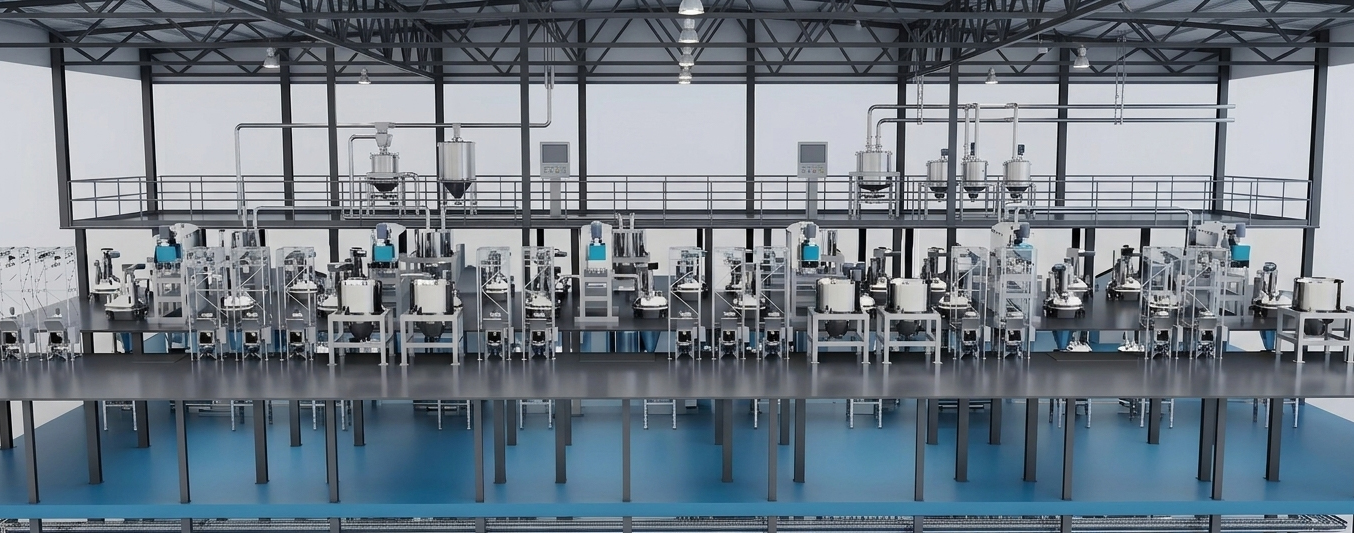
The silicone sealant industry is experiencing continuous growth driven by increasing applications in construction, automotive, electronics, and industrial manufacturing. As customers demand higher consistency, faster production speeds, and improved product quality, manufacturers are increasingly investing in advanced silicone production line solutions.
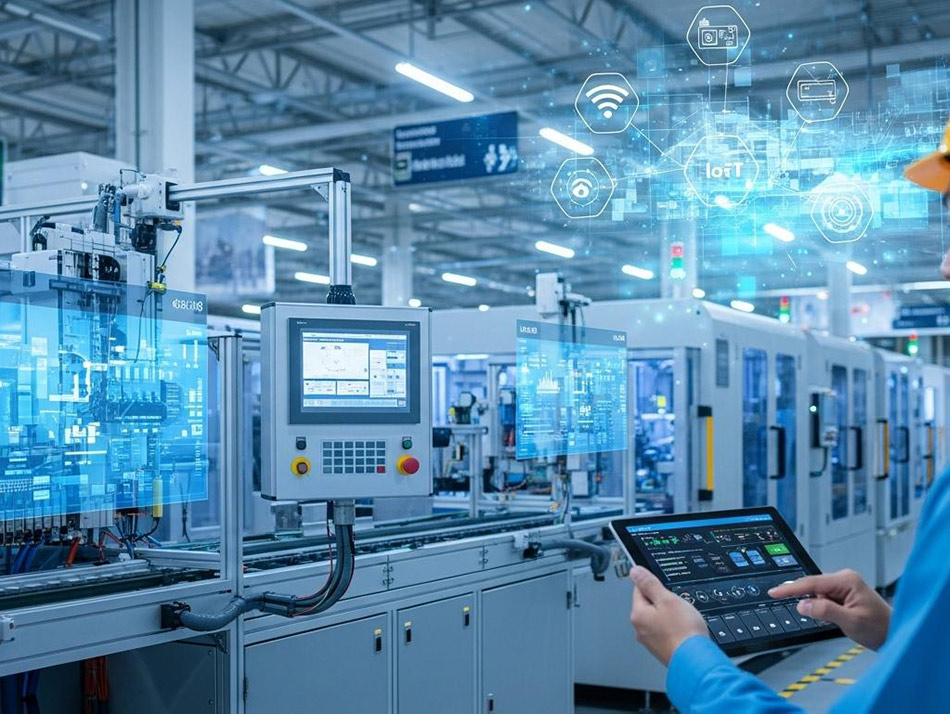
Traditional manual production methods are gradually being replaced by automated systems that integrate material handling, mixing, vacuum processing, filling, and packaging. These complete production solutions help manufacturers improve efficiency, reduce labor costs, and maintain stable product quality during large-scale production.
A modern silicone manufacturing system typically combines high-performance mixing equipment, vacuum systems, storage tanks, filling machines, and auxiliary equipment to create a complete production workflow.
⚙ Market Trends of Silicone Production Industry
1)Increasing Demand for Automated Production
Automation has become one of the most important trends in silicone sealant manufacturing. Modern factories are looking for equipment that can automatically control feeding, mixing time, vacuum level, temperature, and filling accuracy.
Compared with traditional manual operation, automated production lines provide:
· Higher production efficiency
· More stable product quality
· Reduced material waste
· Lower labor requirements
· Easier production management
2)Higher Requirements for Product Consistency
Silicone sealants require precise control of viscosity, dispersion quality, and air removal during production. Even small differences in mixing or processing conditions can affect final product performance.
Advanced production systems use PLC control and precision processing technology to maintain stable production parameters, ensuring every batch meets quality requirements.
|
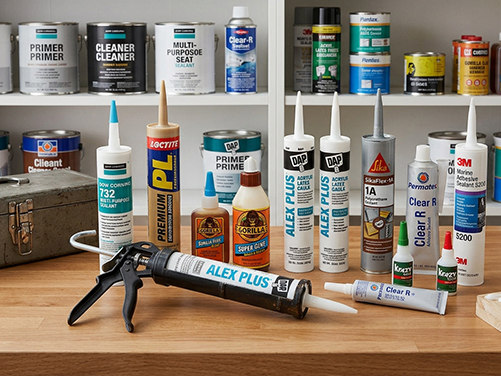
3)Flexible Production for Different Silicone Products Manufacturers today need equipment that can handle various silicone products, including: · Silicone sealant · RTV silicone · Structural silicone · Weatherproof silicone · Electronic silicone · Two-component silicone adhesives Flexible production line designs allow factories to adjust configurations according to different formulations and packaging requirements. |
 |
⚙ Complete Workflow of Silicone Production Line
A complete silicone production line usually includes several important production stages:
1.Raw Material Feeding System
The production process begins with accurate feeding of silicone polymers, fillers, additives, pigments, and other materials.
Automatic feeding systems help improve weighing accuracy and reduce manual operation errors.
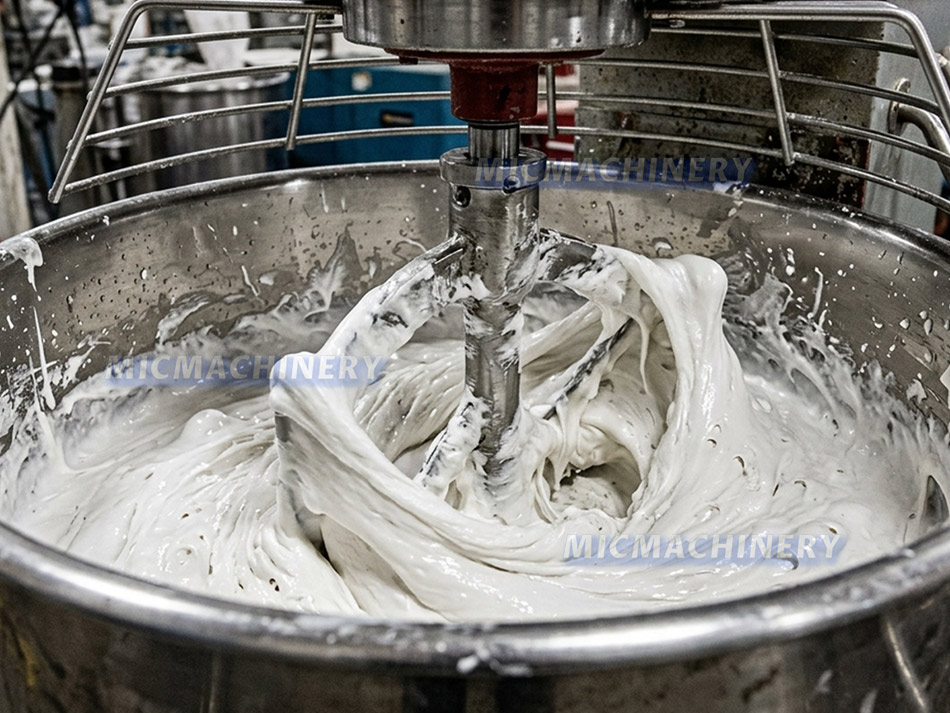
2.Mixing and Dispersion Process
The mixing stage is the core part of silicone production. High-performance dispersing mixers combine different materials evenly to achieve the required consistency.
Vacuum mixing technology is commonly used to remove trapped air bubbles and improve the quality of the final silicone product.
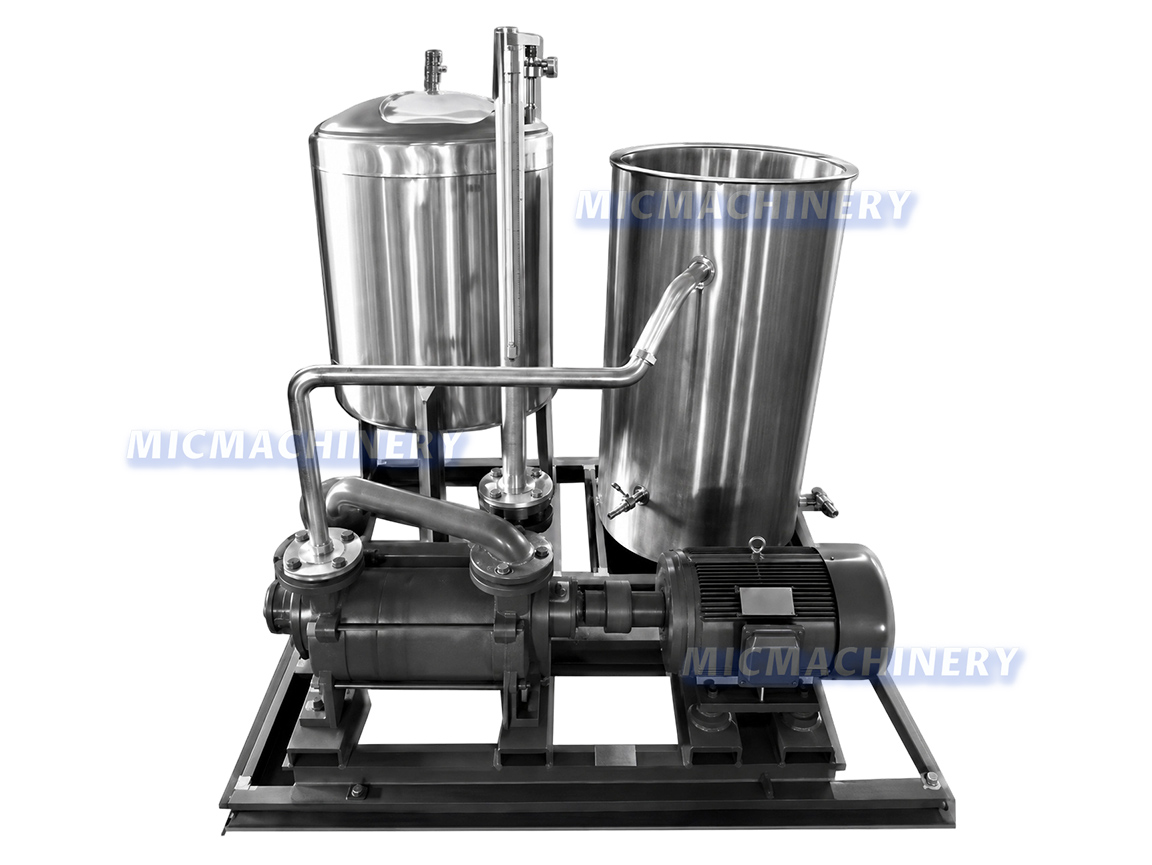
3.Vacuum Degassing
During silicone manufacturing, air and moisture can affect sealing performance. The vacuum system removes bubbles from the material, improving stability and appearance.
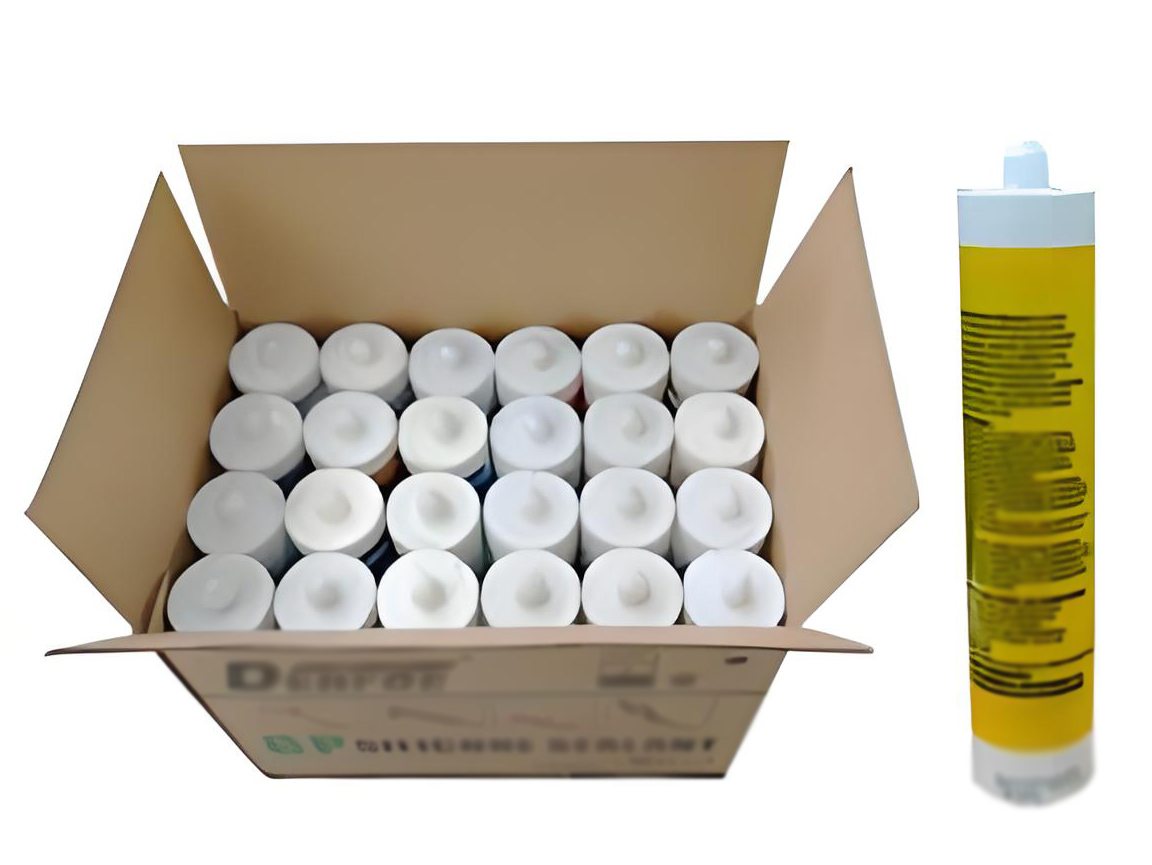
4.Filling and Packaging
After production, silicone materials are transferred to filling equipment for cartridge, tube, or container packaging.
Automatic filling systems ensure accurate filling volume and consistent packaging quality.
 |
 |
 |
| Mixing and Dispersion Process | Vacuum Degassing | Filling and Packaging |
⚙ Key Equipment in Silicone Production Line
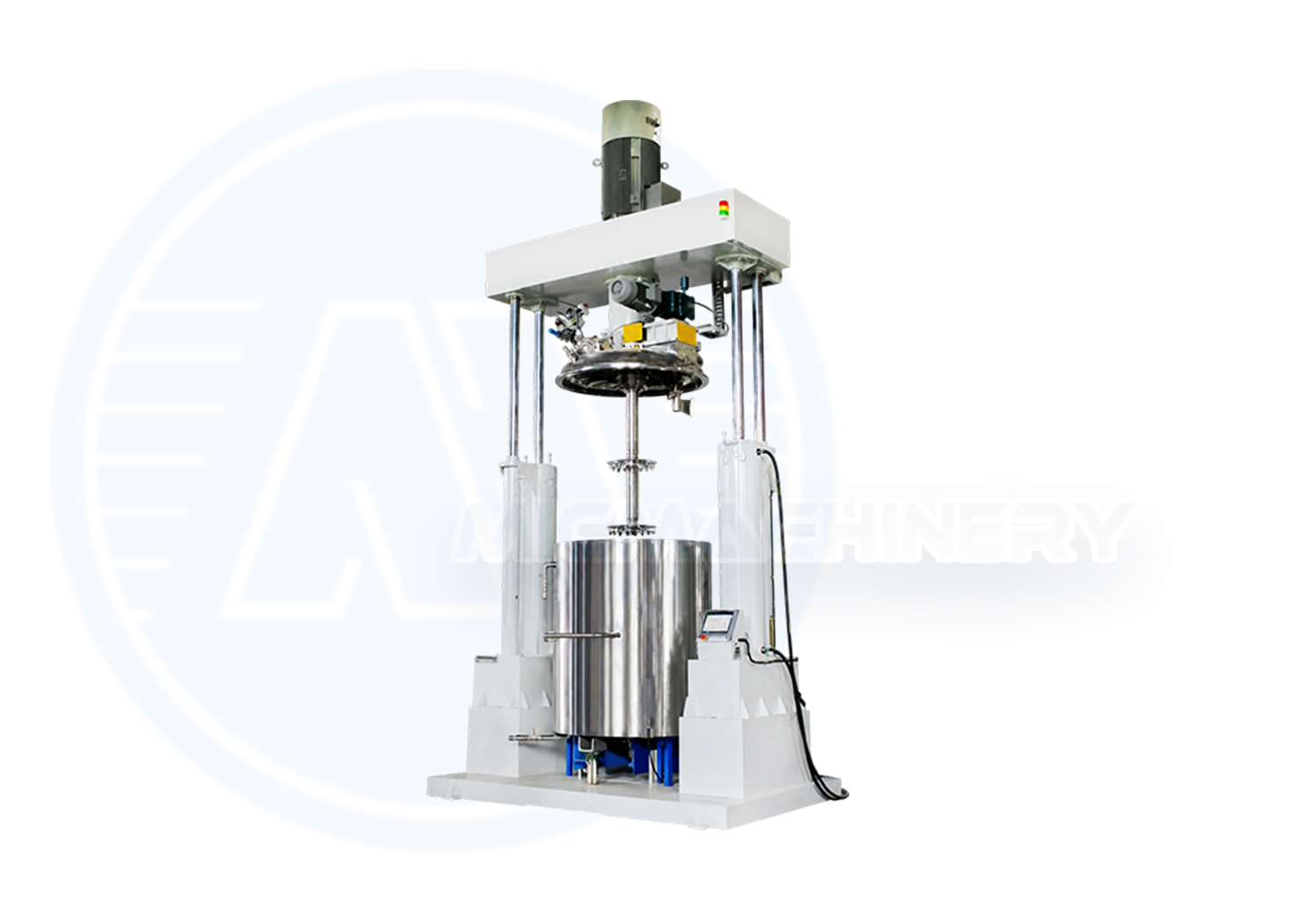 |
High Speed Dissolver ----- The High Speed Dissolver is the first-stage mixing equipment in a silicone production line, using high-speed blades to disperse polymers, powders, and additives for uniform premixing and improved material consistency. ----- Main functions include: · Rapidly wets base polymers (PDMS), fumed silica, calcium carbonate, and other powder materials. · Uniformly disperses various additives throughout the mixture. · Reduces particle agglomeration during the initial mixing stage. · Completes the premixing process before vacuum planetary mixing. |
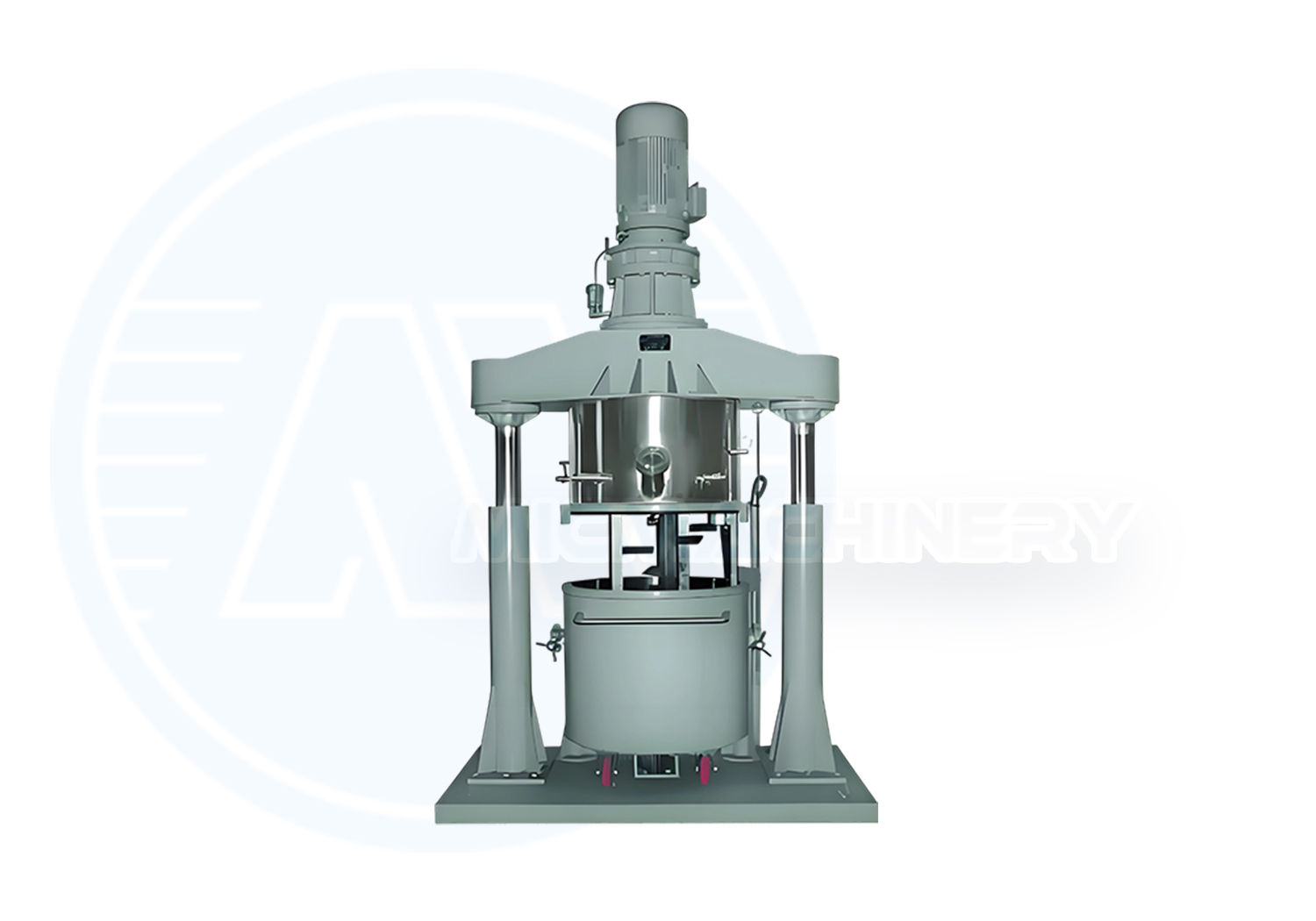 |
Planetary Mixer ----- The Planetary Mixer is the core mixing equipment in a silicone production line, providing vacuum mixing and kneading for high-viscosity materials to ensure uniform dispersion, bubble removal, and consistent silicone quality.
----- Main functions include: · Deeply mixes high-viscosity silicone materials. · Performs vacuum degassing to eliminate trapped air bubbles. · Improves product uniformity and stability. · Controls final viscosity and thixotropic properties to achieve fillable silicone material. |
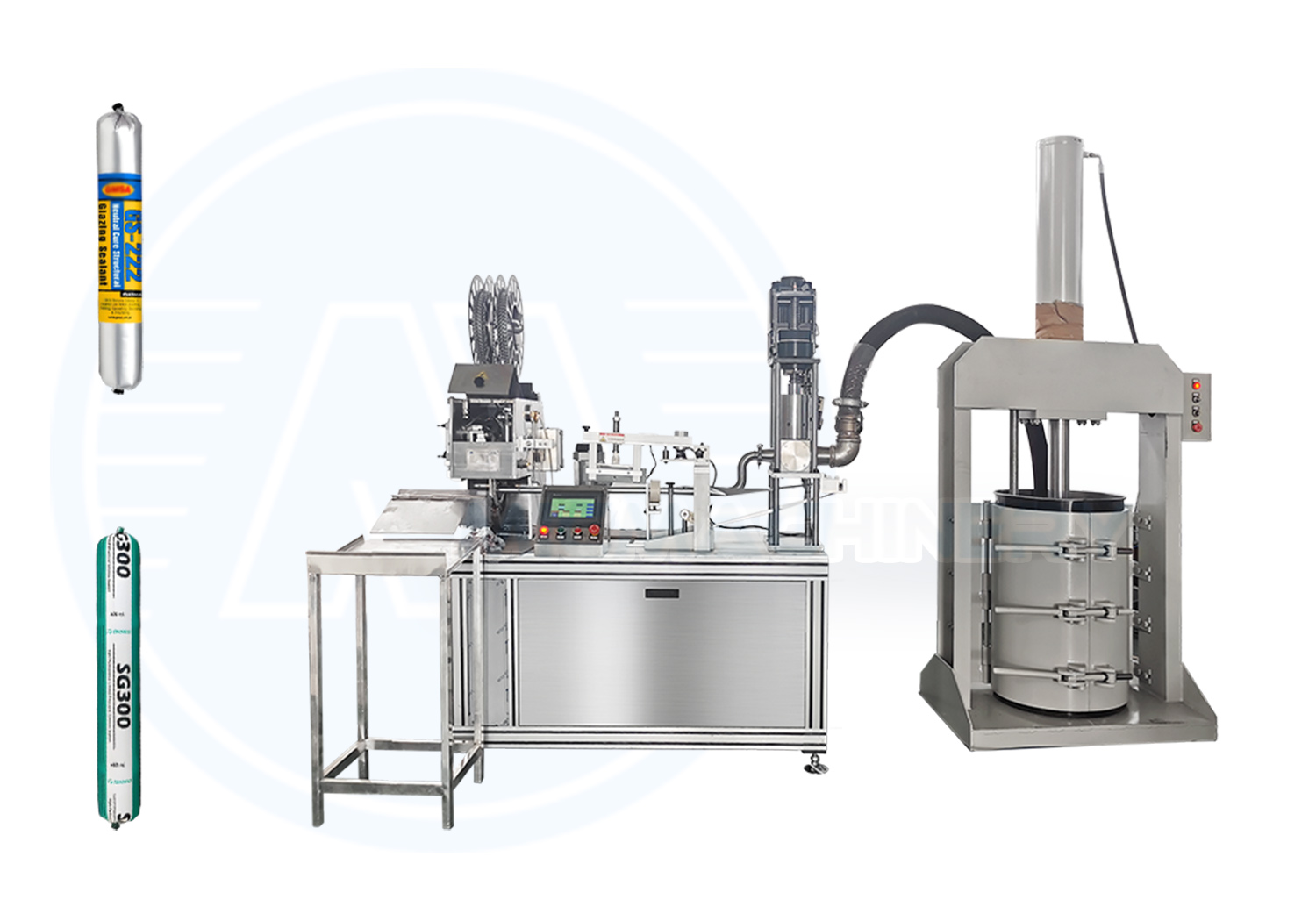 |
Silicone Filling Machine -----
----- Features include: · Precise piston filling technology · Easy operation · High filling accuracy Compatibility with different packaging formats |
⚙ Advantages of Using an Automated Silicone Production Line
Improved Production Efficiency
Automated systems reduce manual intervention and allow continuous production with higher output.
Better Product Quality
Precise control of mixing, vacuum processing, and filling parameters ensures consistent silicone performance.
Lower Manufacturing Costs
Automation reduces labor requirements and improves raw material utilization.
Easy Expansion
Modular equipment configurations allow manufacturers to upgrade production capacity according to market demand.
⚙ Future Development Trends of Silicone Manufacturing
In the future, silicone production will continue developing toward intelligent manufacturing.
Key trends include:
|
Smart Control Systems More factories will adopt intelligent PLC systems, data monitoring, and remote management technologies. ----- Energy-Efficient Equipment Manufacturers are focusing on reducing energy consumption through optimized motors, heating systems, and production processes. ----- Complete Turnkey Solutions Instead of purchasing individual machines, more customers prefer complete production solutions including mixing, filling, packaging, and auxiliary equipment. |
 |
⚙ After-Sales Service
MIC Machinery always puts customer needs first by providing comprehensive after-sales support to ensure reliable equipment performance, smooth operation, and long-term production efficiency throughout the machine’s service life.
1)Installation & Commissioning
Professional engineers provide equipment installation, system setup, and production testing to ensure quick and stable operation.
2)Technical Training
Provide operation guidance, maintenance training, and remote technical support to help customers improve equipment usage efficiency.
3) Spare Parts Support
Supply original spare parts and commonly used components with fast response to reduce downtime and maintain continuous production.
4)Warranty & Service
Offer standard warranty, repair assistance, and customized service plans to provide reliable long-term support.
⚙ MIC Machinery: Your Partner for Silicone Production Solutions
MIC Machinery provides complete silicone manufacturing and packaging solutions for global customers.
From raw material processing to final filling, our engineering team designs customized production systems according to product characteristics, production capacity, and factory requirements.
With advanced equipment technology and professional technical support, MIC Machinery helps manufacturers build efficient, reliable, and scalable silicone production lines.
Contact MIC Machinery today to explore the right silicone production solution for your business.