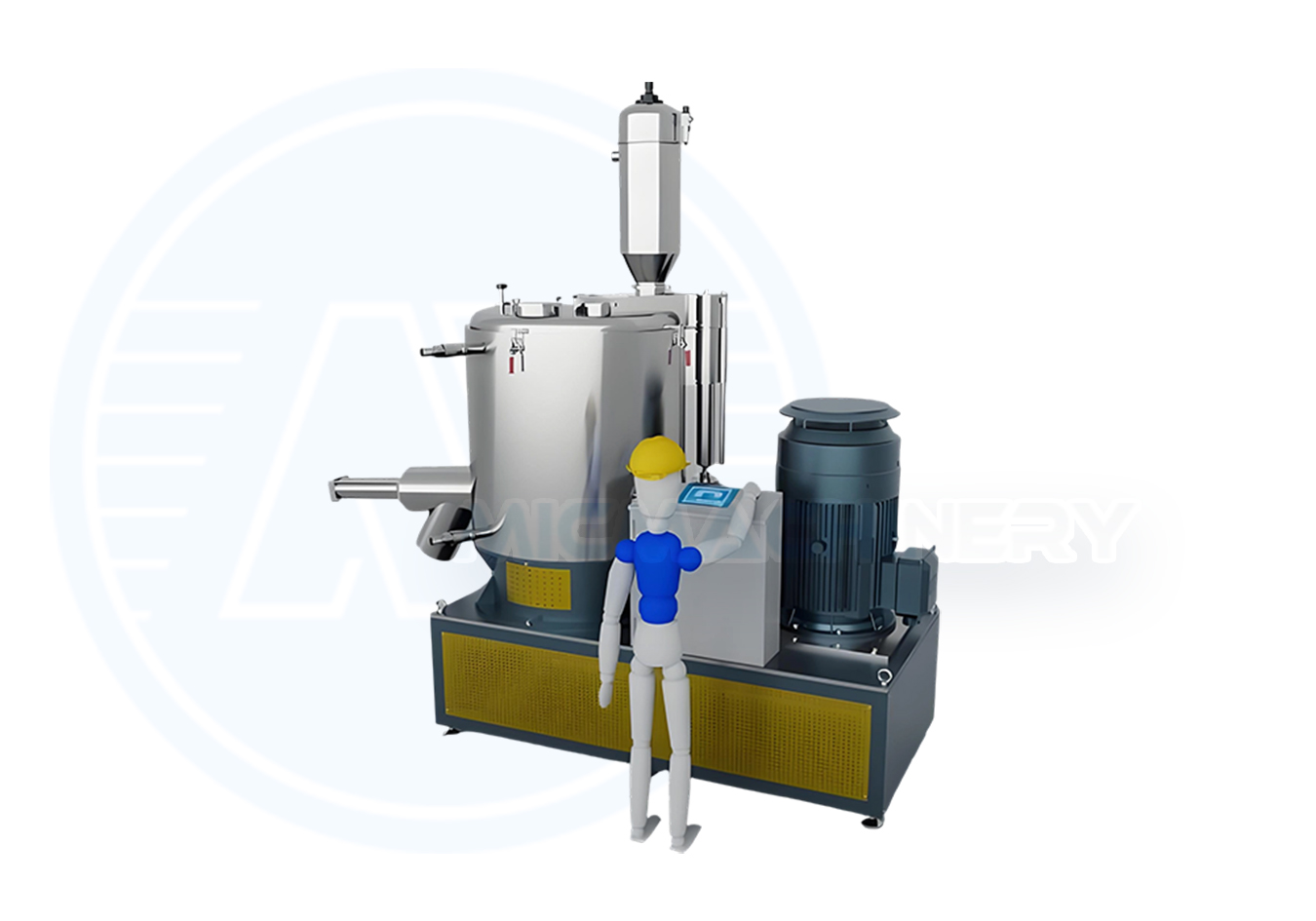
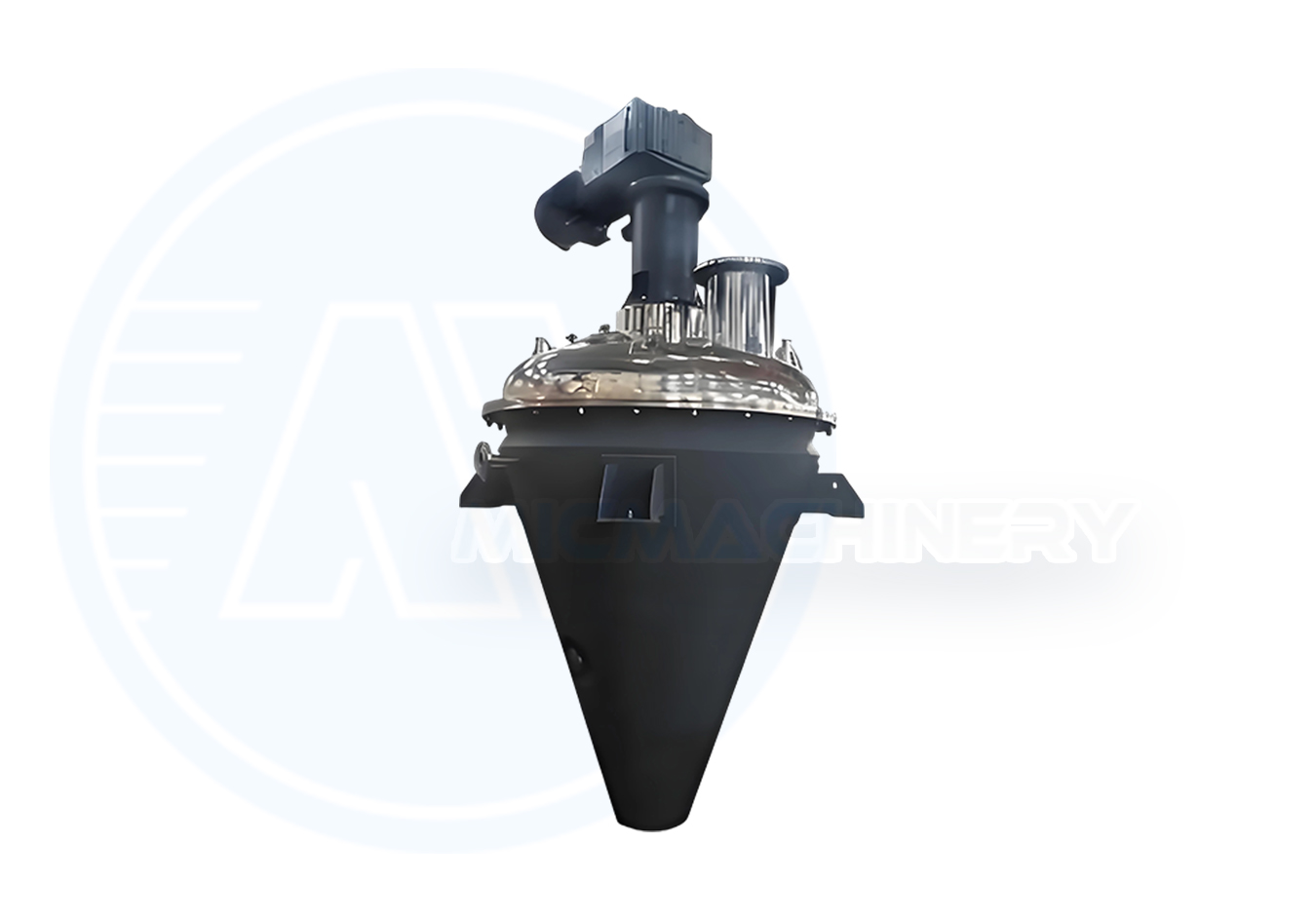
Vertical Mixer for Adhesive Production
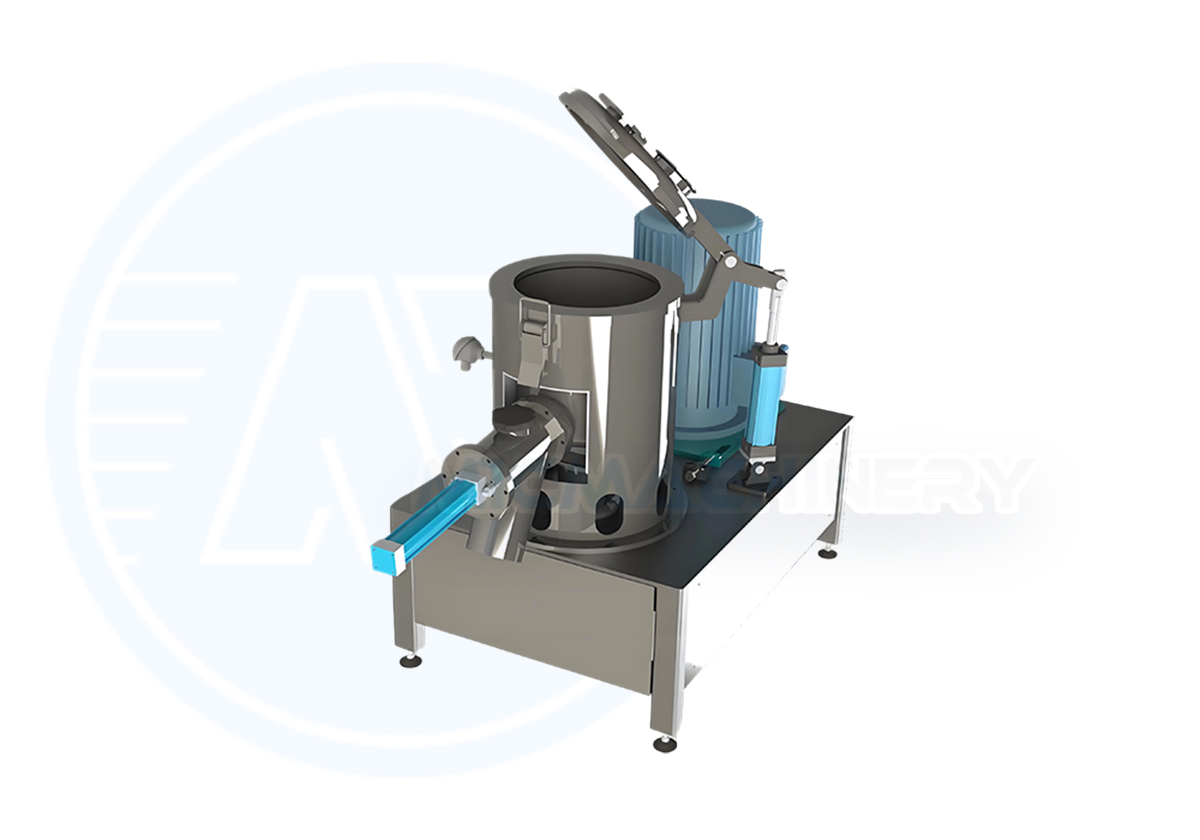
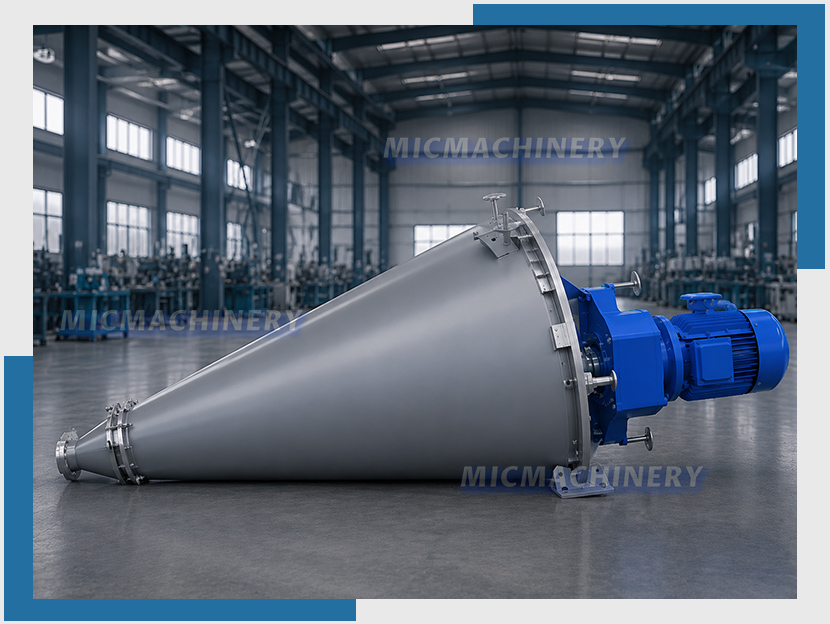
A Vertical Mixer is a versatile mixing machine designed for processing adhesives, sealants, resins, and other high-viscosity chemical materials. Its vertical mixing structure provides efficient material circulation and strong shearing forces, enabling uniform blending of fillers, pigments, and functional additives. MIC Machinery supplies customized vertical mixing solutions for epoxy adhesives, silicone sealants, polyurethane materials, and industrial formulations requiring stable mixing performance and consistent product quality.
Manufacturing Process of Vertical Mixer
The working process of a vertical mixer mainly includes material feeding, mixing and dispersion, temperature control, and discharge.
| |
1)Material Feeding
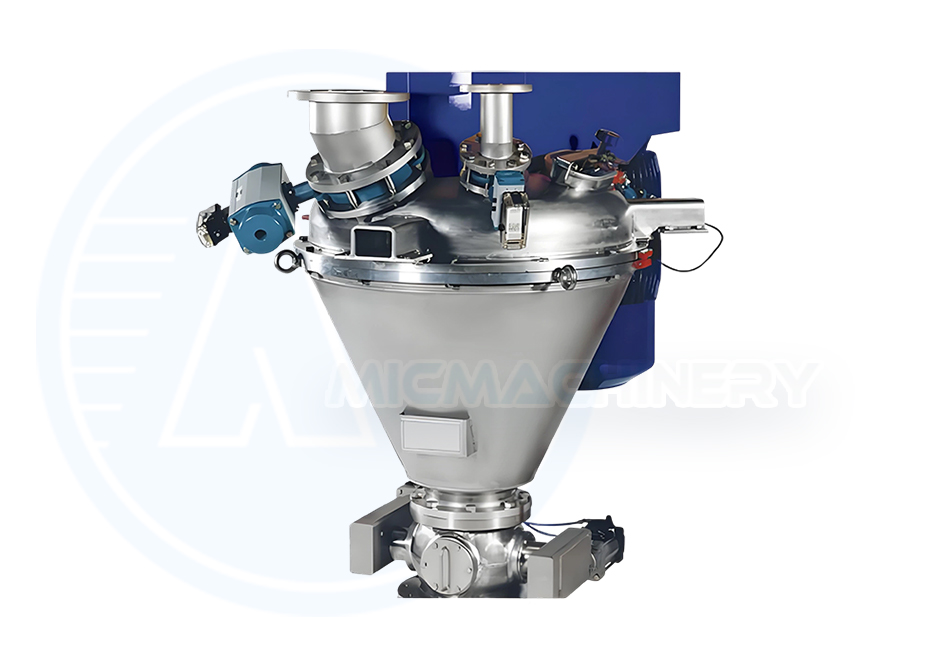
Raw materials such as resins, fillers, powders, pigments, curing agents, and additives are loaded into the vertical mixing vessel according to the formulation requirements. The feeding sequence can be adjusted based on material characteristics to improve dispersion efficiency and prevent uneven mixing.
------
2)Vertical Mixing and Dispersion
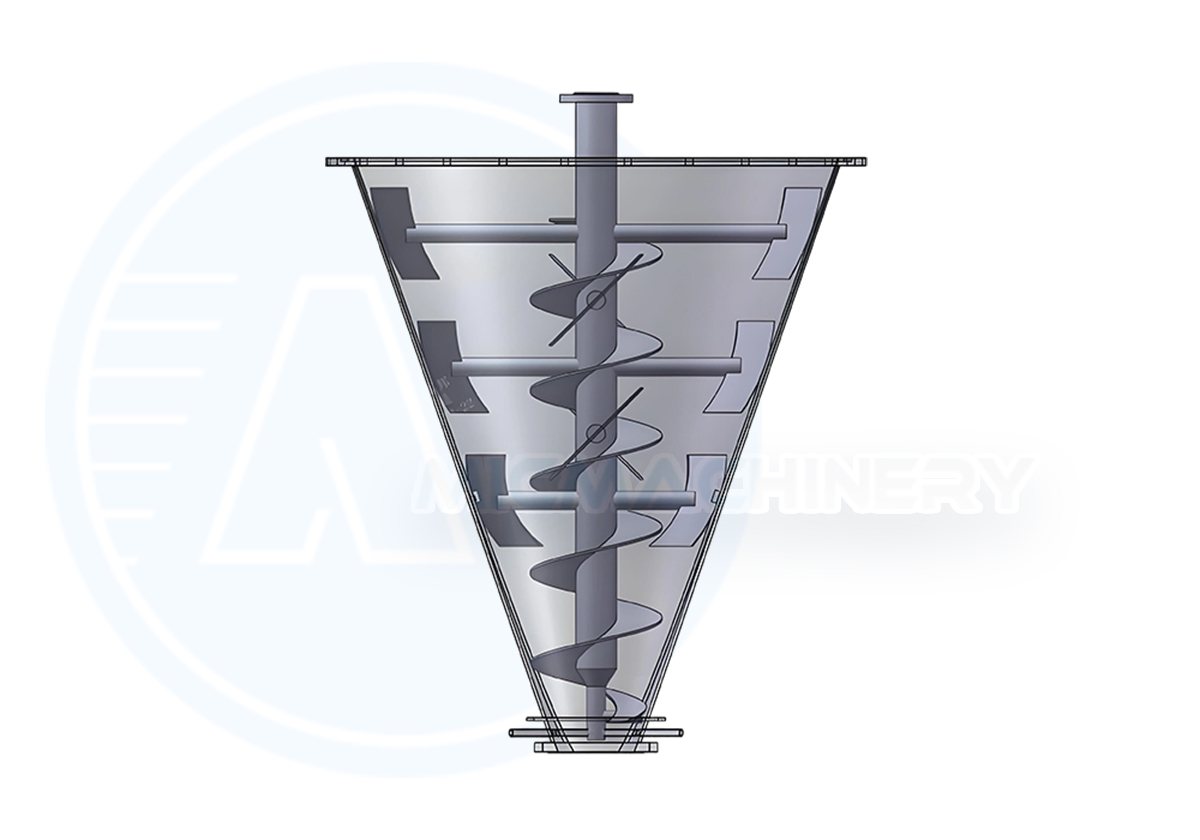
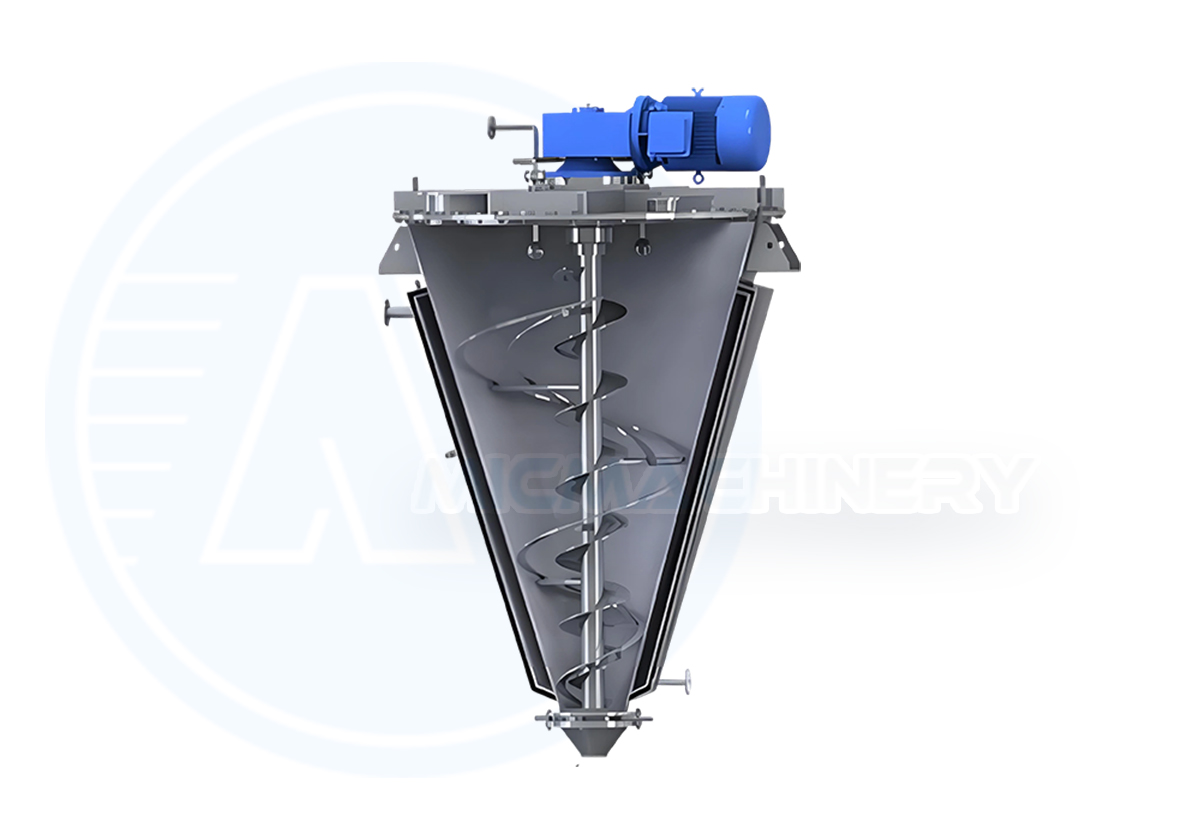
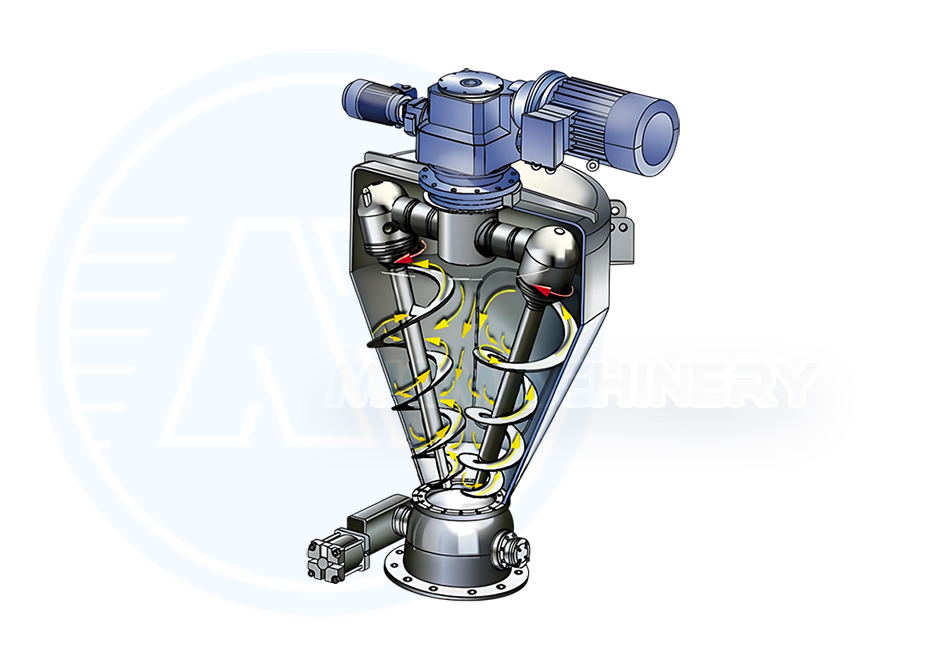
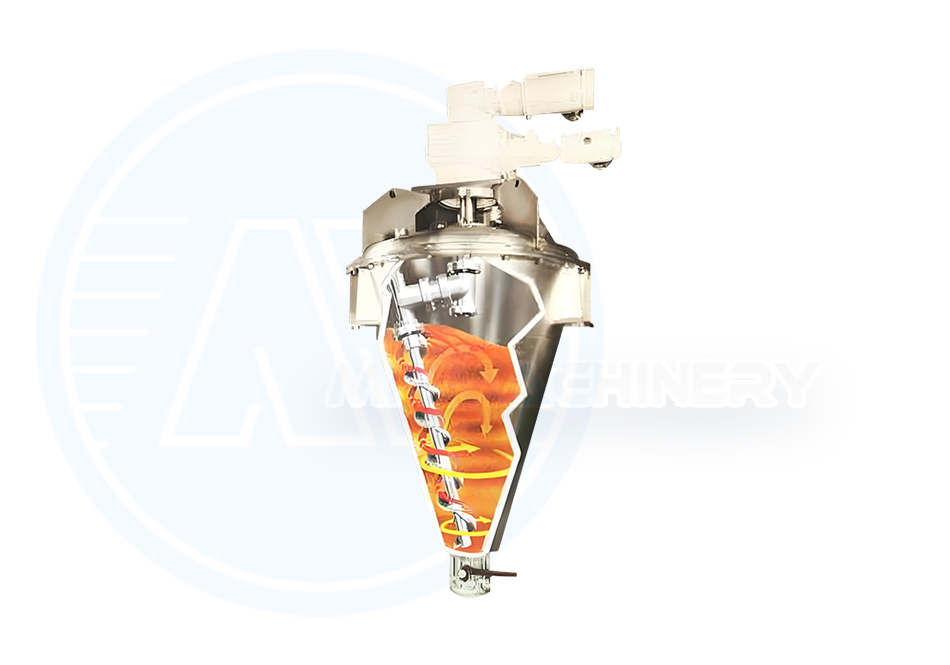
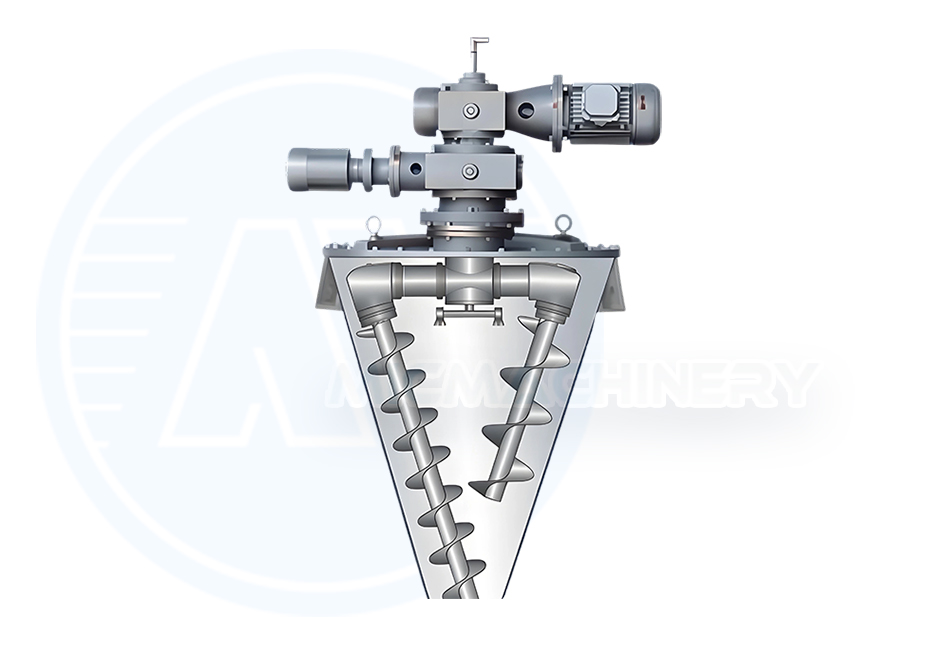
The vertical mixing shaft drives specialized blades to create continuous material circulation, generating shearing, folding, and pushing forces for high-viscosity blending. The vertical structure reduces dead zones and improves the dispersion of fillers, powders, and additives for consistent adhesive quality.
------
3)Temperature Control
Many adhesive materials require precise temperature management during mixing. The mixing vessel can be equipped with heating or cooling jackets to regulate processing temperature, maintain stable viscosity, and prevent unwanted reactions caused by excessive heat.
------
4)Material Discharge
After achieving the required mixing result, the finished adhesive compound is discharged through the outlet system. The discharge method can be customized according to material viscosity, production capacity, and downstream filling requirements.
|
|
Technical Advantages of Vertical Mixer
➢ Efficient Mixing for High-Viscosity Materials
The vertical mixing structure provides strong mechanical forces for processing adhesives, sealants, and chemical compounds with high viscosity or high solid content. The optimized blade design improves material circulation and ensures effective blending throughout the vessel.
➢ Uniform Dispersion of Additives
The continuous movement created by the mixing blades helps break down agglomerates and distribute fillers, pigments, and additives evenly. This improves product consistency and supports stable viscosity, appearance, and application performance.
➢ Reduced Material Dead Zones
The vertical chamber design promotes complete material exchange during operation, minimizing areas with insufficient mixing. This helps manufacturers achieve more uniform results, especially for formulations containing powders and solid additives.
➢ Flexible Production Control
Mixing speed, processing time, and temperature conditions can be adjusted according to different formulations. This flexibility allows manufacturers to optimize processes for laboratory development, pilot production, and industrial manufacturing.
Customization Options
Different adhesive products require different mixing conditions. MIC Machinery provides customized Vertical Mixer solutions based on material properties, production capacity, and process requirements.
Customization options include vessel volume, blade configuration, motor power, speed control system, contact material selection, heating and cooling system, and discharge design.
For complete adhesive production projects, MIC Machinery can integrate vertical mixers with vacuum systems, storage tanks, transfer pumps, and filling equipment to create a complete workflow from raw material preparation to final packaging.
FAQ
| What is a vertical mixer used for? |
|
A vertical mixer is used for blending high-viscosity adhesives, sealants, resins, and chemical materials that require uniform mixing and dispersion of fillers and additives.
|
| |
| What materials can be processed by a vertical mixer? |
| It can process epoxy adhesives, silicone sealants, polyurethane compounds, construction adhesives, and other high-viscosity formulations containing powders, fillers, and functional additives. |
| |
| What are the advantages of a vertical mixing structure? |
| The vertical design improves material circulation, reduces mixing dead zones, and provides efficient shearing and blending performance for consistent product quality. |
| |
| How should I select a vertical mixer for adhesive production? |
| Selection depends on material viscosity, batch size, production capacity, filler content, mixing requirements, temperature control needs, and integration with other production equipment. |
| |
| Can MIC Machinery customize a vertical mixer? |
| Yes. MIC Machinery provides customized vertical mixer solutions according to specific adhesive formulations, production requirements, and factory conditions, including equipment configuration and production line integration. |